[4/17/24] Managing the Mekong: Infrastructure, Climate Change, and Geopolitics

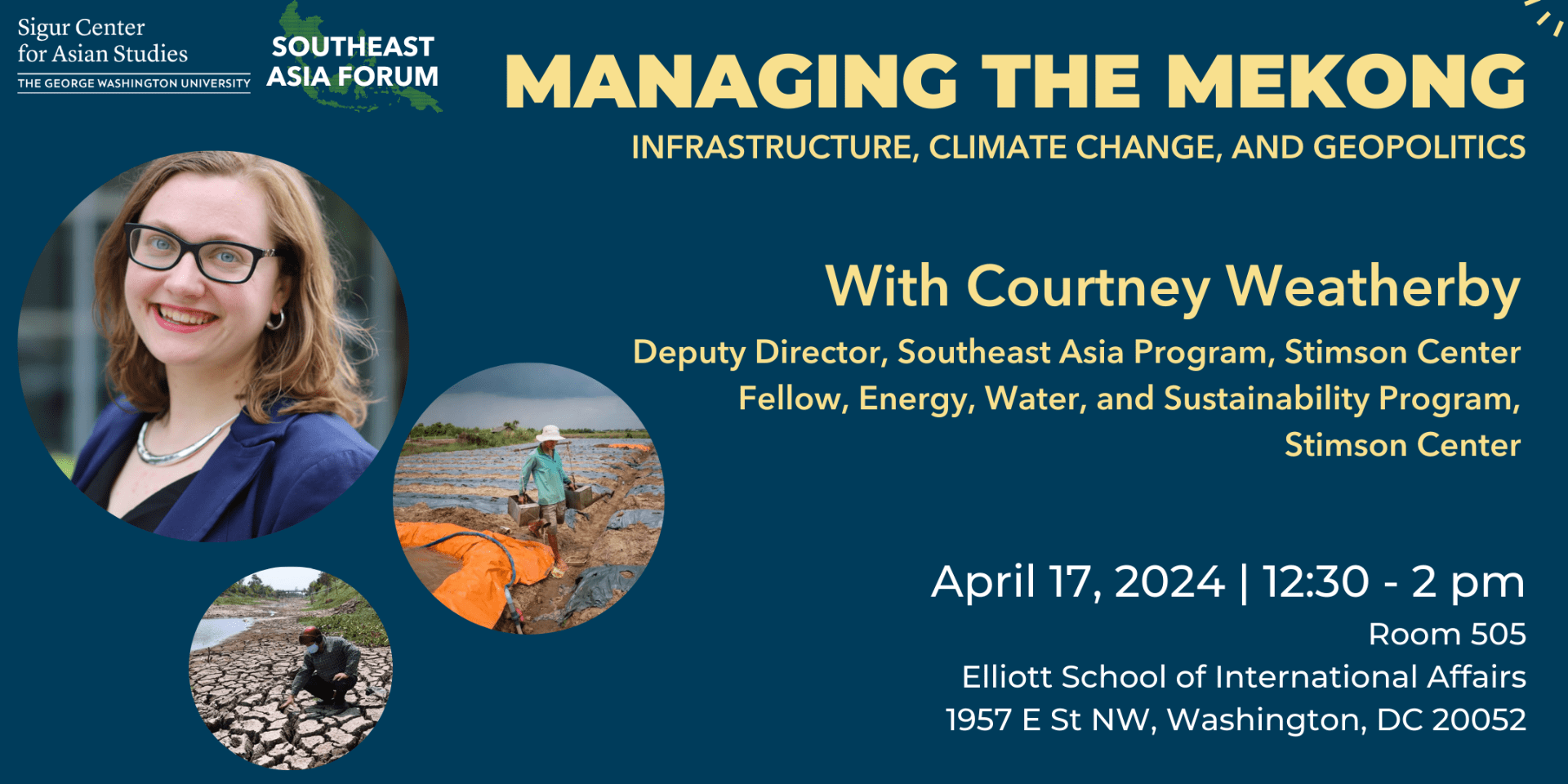
A graphic for the event

Wednesday, April 17, 2024

12:30 pm – 2:00 pm

Room 505

Elliott School of International Affairs

1957 E Street NW Washington, D.C. 20052

The Mekong River basin is shared by six countries and home to over sixty million people, and it plays a defining role in terms of water, energy, and food security both locally and globally. The Mekong’s natural bounty and rich ecosystem is increasingly under threat—from the proliferation of upstream dams, from climate shifts impacting rainfall and extreme water events, and from a range of other pressures such as sand mining, overfishing, and pollution. Join Courtney Weatherby for a discussion about why the Mekong matters, how the river’s health is impacted by upstream dams and climate change, and what is needed in terms of environmental monitoring and political engagement to conserve the human and environmental benefits it provides.

Speaker

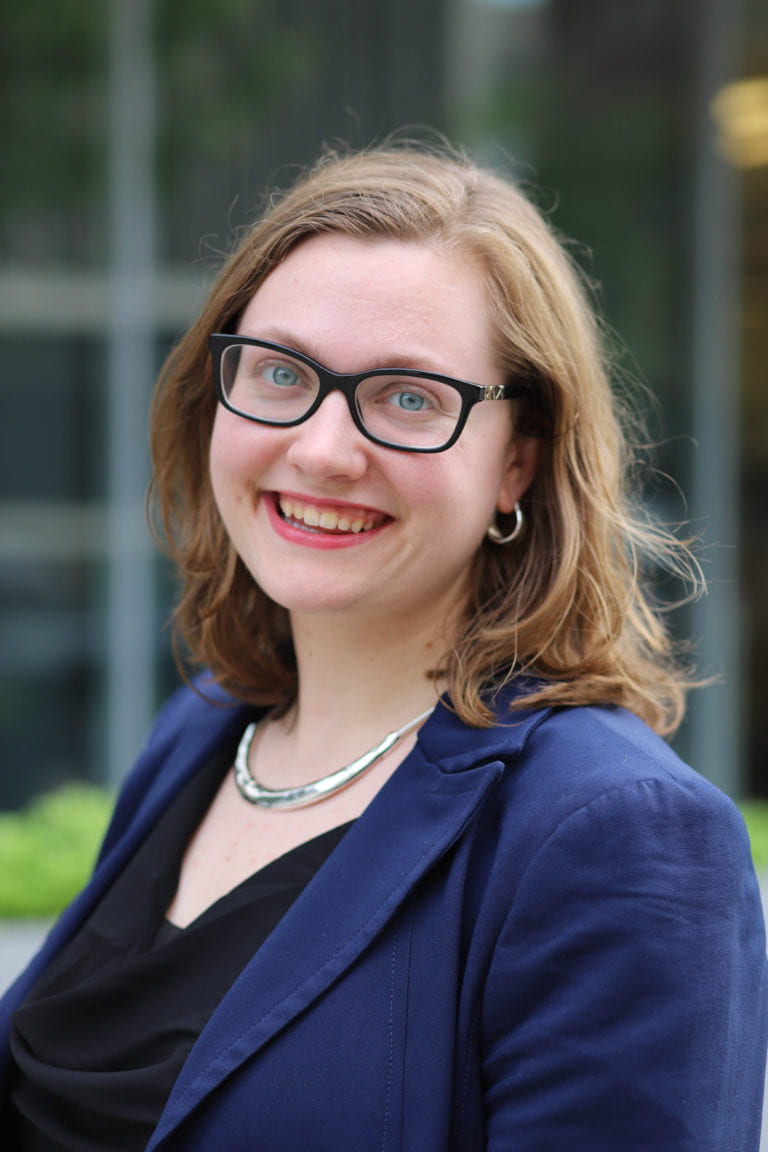
Courtney Weatherby is Deputy Director of the Stimson Center’s Southeast Asia program and a Fellow with the Energy, Water, & Sustainability program. Her research focuses on sustainable infrastructure and energy development challenges in Southeast Asia and the Indo-Pacific, particularly at the nexus of issues in food, water, and energy in the Greater Mekong Subregion. Weatherby was a lead author on a range of technical and policy studies, including Thailand’s Energy Development Pathways report in collaboration with Pact Thailand; the International Union for the Conservation of Nature (IUCN)Sekong, Sesan, Srepok Basin Energy Profile report; the Stimson Center’s Mekong Power Shiftreport; and the TRENDS Institution United Arab Emirates (UAE) Energy Diplomacy report. She provides support to the development and management of the Mekong Dam Monitor, a platform for near-real time monitoring of dams and environmental impacts in the Mekong Basin, and the winner of 2021 Esri Special Achievement in GIS Award, 1st Prize in the 2021 Prudence Foundation’s Disaster Tech Competition, and the Renewable Natural Resources Foundation’s 2021 Outstanding Achievement Award. She also supports the team’s data-driven work on the Mekong Infrastructure Tracker, a platform to track, monitor, and quantify the development of energy, transportation, and water infrastructure in South East Asia.

In 2019, she served as a US-Japan-Southeast Asia Fellow at the East-West Center, focusing her research on US-Japan collaboration on energy infrastructure in Southeast Asia. She has spoken publicly on panels at a variety of institutions including the National Bureau of Asian Research’s Pacific Energy Summit and the Greater Mekong Forum on Water, Food, and Energy. Before joining Stimson in 2014, Weatherby worked with the State Department, Center for Strategic International Studies, and Human Rights Watch. She holds a M.A. in Asian Studies from the School of Foreign Service at Georgetown University and a B.A. in East Asian Studies with honors from Dickinson College.

Moderator
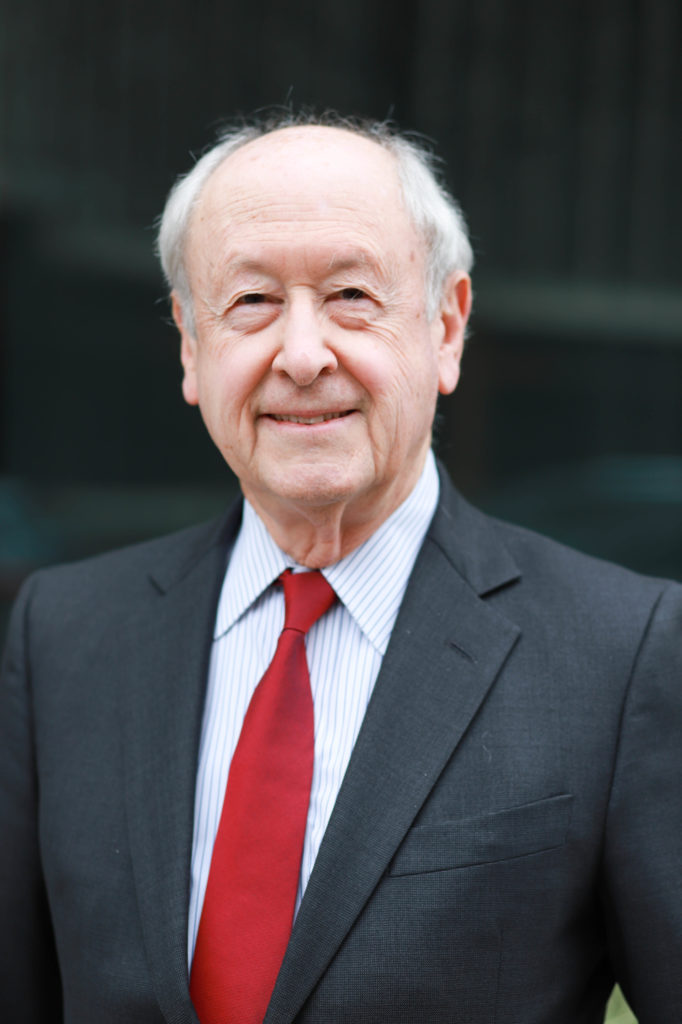
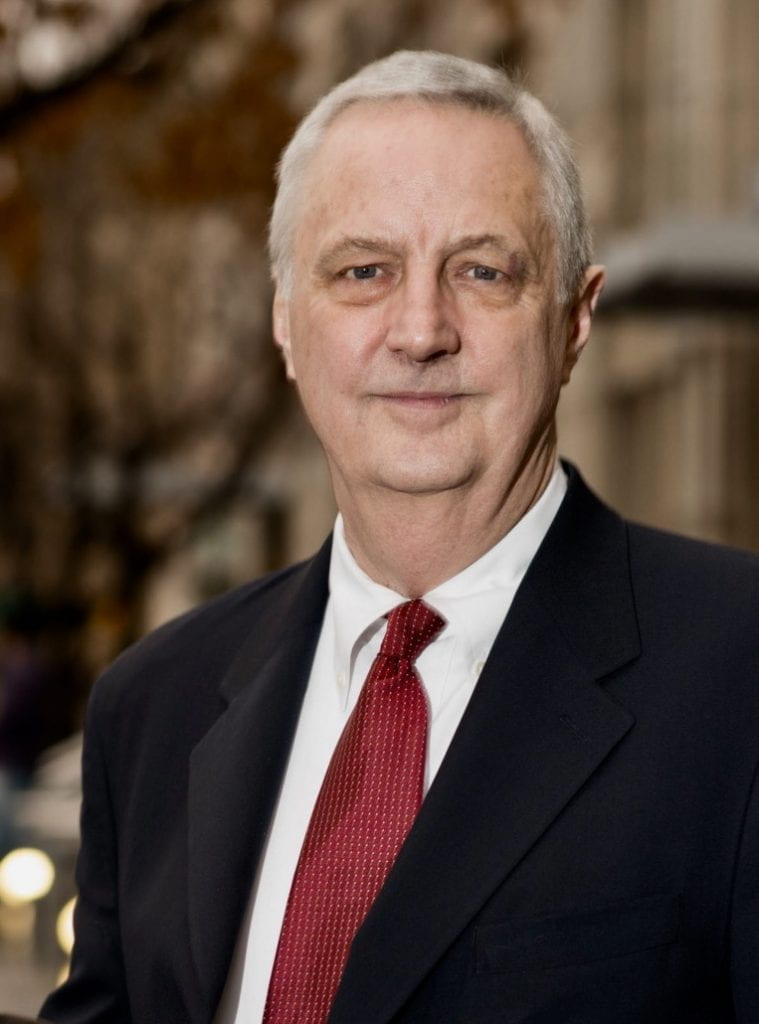
A picture of William Wise

William M. Wise chairs the Southeast Asia Forum, a project to promote the study of Southeast Asia at colleges, universities and research centers in the Mid-Atlantic region. He is a former Non-Resident Fellow at the Stimson Center, affiliated with the Southeast Asia Program.

Professor Wise’s government and teaching career focused on defense, security and intelligence issues in Asia. From 2005 to 2019 he managed the Southeast Asia Studies program at the School of Advanced International Studies (SAIS), Johns Hopkins University, and taught courses on Southeast Asia and intelligence problems in Asia. Prior to teaching at SAIS, he was Adjunct Professor of the Practice of International Affairs at the Elliott School of International Affairs (ESIA), George Washington University. He was a Public Policy Scholar at the Woodrow Wilson Center in Washington in 1999.

Professor Wise’s government experience spanned more than three decades. He was Deputy National Security Advisor to the Vice-President; Chief of Policy at the U.S. Pacific Command (now U.S. Indo-Pacific Command); and Deputy Director, for Policy Planning, East Asia & Pacific Region, Office of the Secretary of Defense. Earlier, he served in various positions in the U.S. Intelligence Community in Washington and overseas. He retired from the U.S. Air Force as a Colonel in 1997.

Professor Wise received his undergraduate degree from Amherst College and master’s degree from the University of Hawaii.
Sigur Center logo with line art of Asian landmarks

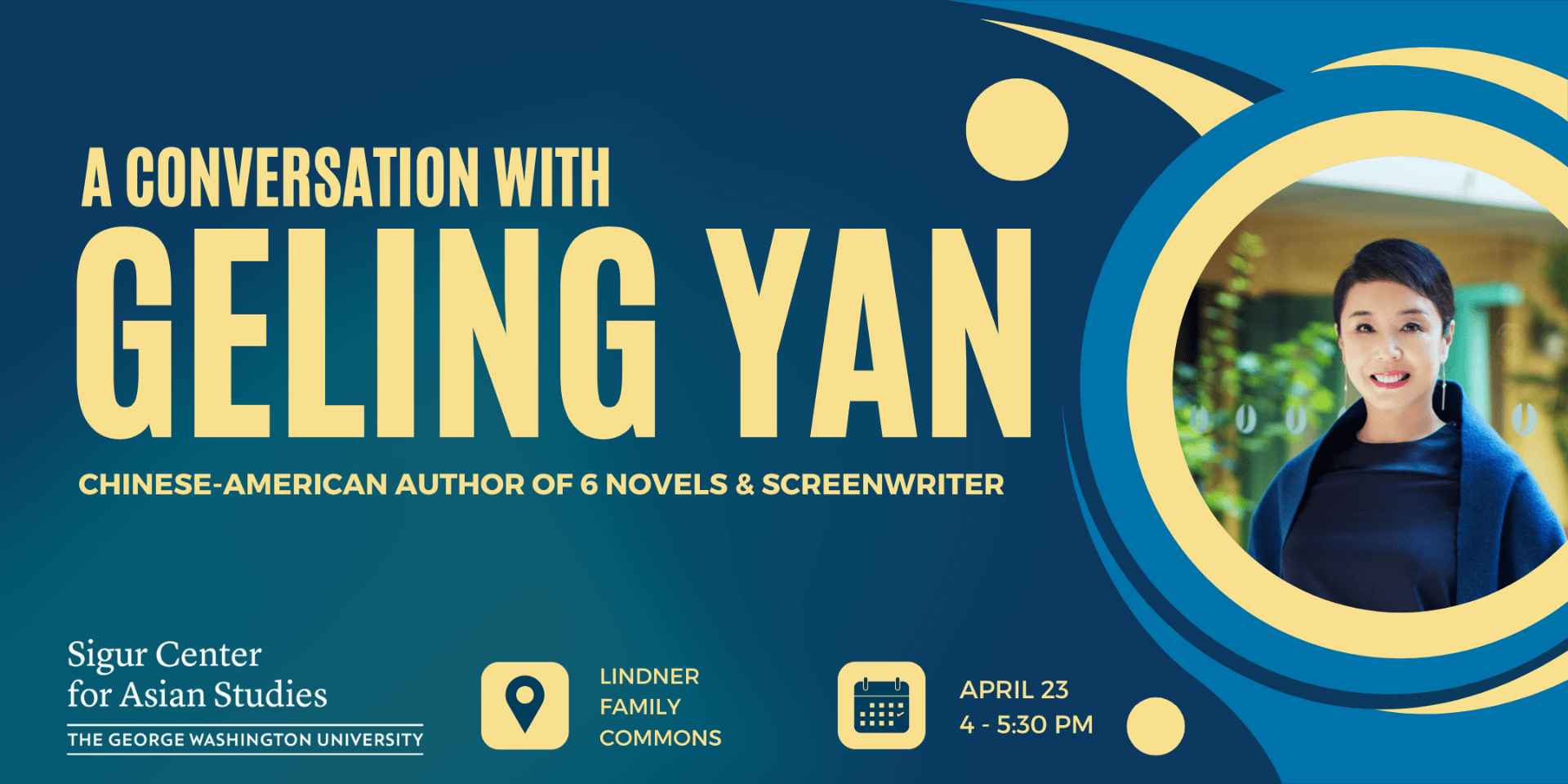
[4/23/24] A Conversation with Geling Yan

Tuesday, April 23, 2024

4:00 PM – 5:30 PM EDT

Lindner Family Commons

Elliott School of International Affairs

1957 E Street NW Washington, D.C. 20052

Join the Sigur Center for Asian Studies for a conversation with accomplished novelist and screenwriter Geling Yan 嚴歌苓. Born in Shanghai, she served with the People’s Liberation Army (PLA) during the Cultural Revolution, starting at age twelve as a dancer in an entertainment troupe.

After more than a decade with the PLA, she published her first novel in 1986 and has been writing constantly ever since. Her best-known novels in English are The Secret Talker, Little Aunt Crane, The Banquet Bug, The Lost Daughter of Happiness, and White Snake and Other Stories. Many of her novels have been adapted for films and television series, including Youth (Feng Xiaogang), three films by Zhang Yimou (The Flowers of War, Coming Home, and One Second), Xiu Xiu: The Sent-Down Girl (directed by Joan Chen), A City Called Macau (directed by Li Shaohong) and Siao Yu(directed by Sylvia Chang and produced by Ang Lee). Her novel The Lost Daughter of Happiness is being adapted into a musical, FUSONG, which was presented to the New York Citytheater community earlier this month and addresses anti-Asian racism, violence, and the transcendence of love.

In this talk, Ms. Yan will discuss her life, her works, censorship, and her latest book Milati, which was published in 2023. The story is about a young woman named Milati, a dancer tuned novelist, her cohort, and that of her artist father during the 1980s in China, when the country opened up, everything seemed possible, and they thought would go on forever. Selected copies of Ms. Yan’s works will be sold at the event.

Speaker

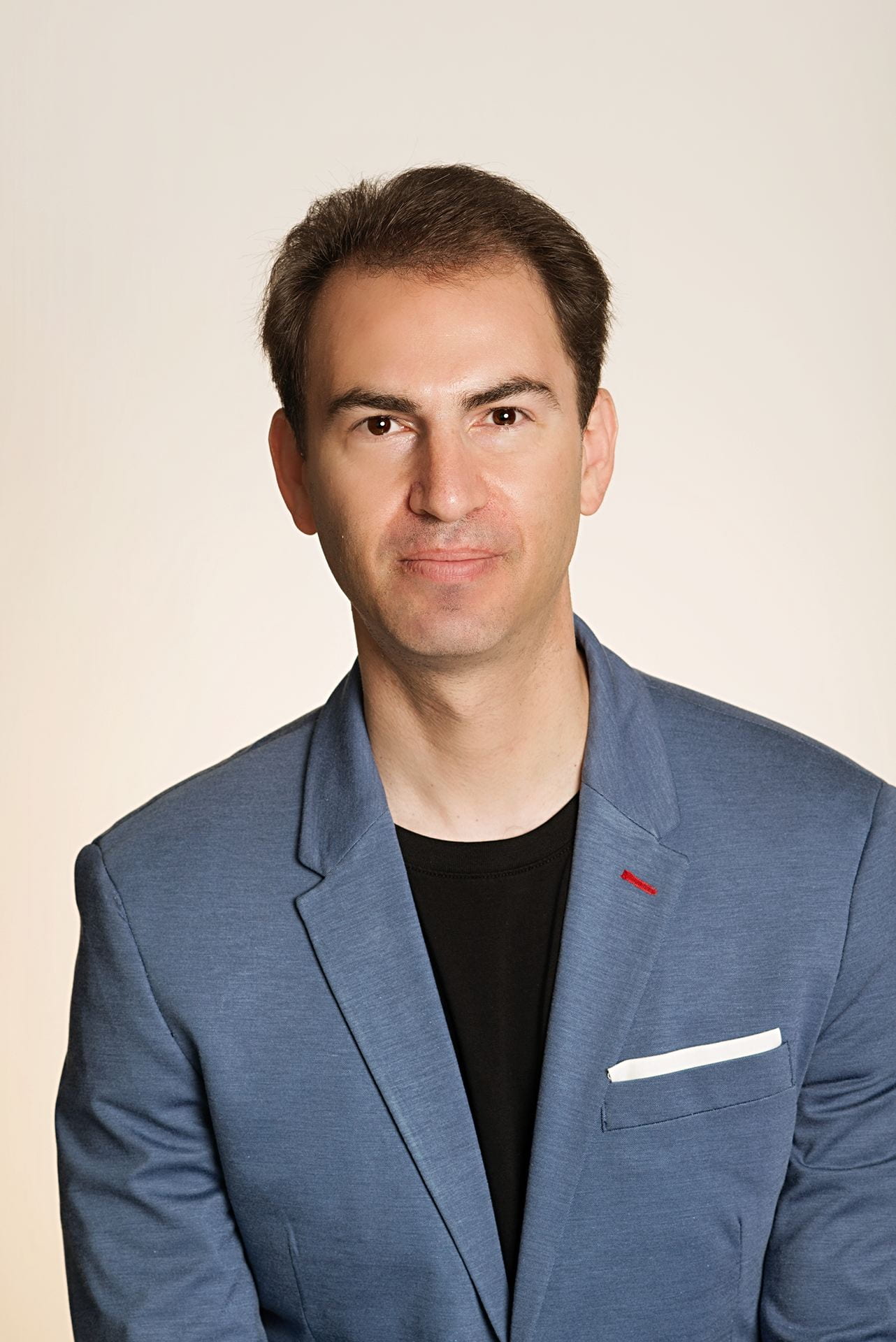
A headshot of Mike Chinoy

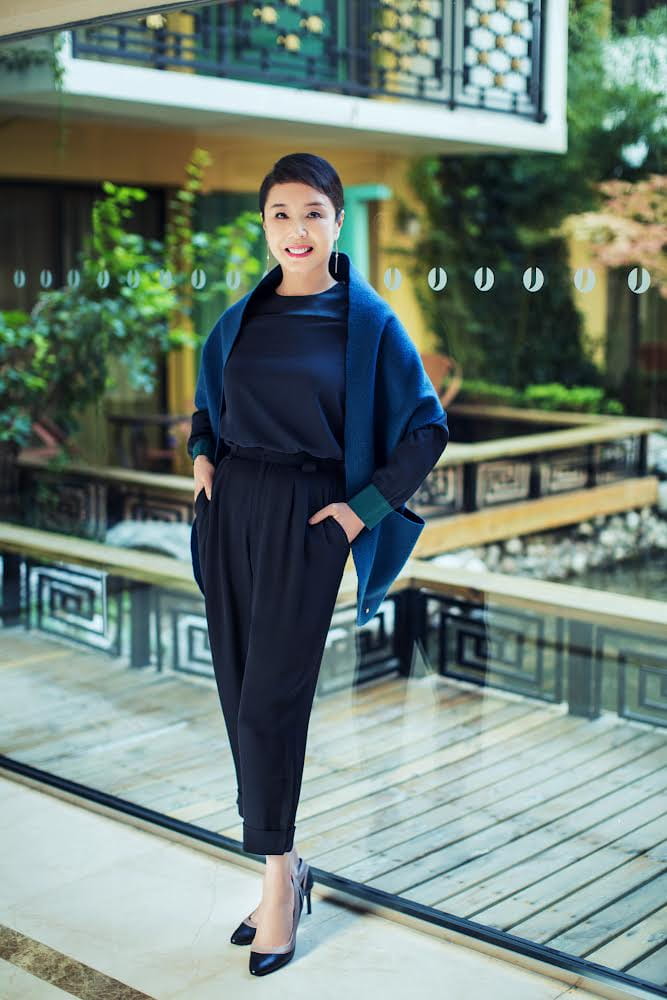
Geling Yan 嚴歌苓 is one of the most acclaimed novelists and screenwriters in the Chinese language and a well-established writer in English. Born in Shanghai, she served with the People’s Liberation Army (PLA) during the Cultural Revolution, starting at age twelve as a dancer in an entertainment troupe.

After more than a decade with the PLA, she published her first novel in 1986 and has been writing constantly ever since. Her best-known novels in English are The Secret Talker, Little Aunt Crane, The Flowers of War, The Banquet Bug , The Lost Daughter of Happiness, and White Snake and Other Stories.

Many of Ms. Yan’s works have been adapted for film and television, directed or produced by famous directors such as Zhang Yimou, Chen Kaige, Feng Xiaogang, Ang Lee, Li Shaohong and Joan Chen. She is a member of the Academy of Motion Picture Arts and Sciences.

Ms. Yan holds an MFA in Fiction Writing from Columbia College, Chicago. She has published over 40 books and has won over 30 literary and film awards. Her works have been translated into twenty-one languages. She has been subject to an unwritten ban in China since March 2020, when she wrote an essay criticizing the Chinese government’s handling of the COVID-19 crisis. She resides in Berlin, Germany and has recently co-founded a company, New Song Media GmbH, to produce films and to publish her works outside China.

Discussant

A picture for Prof. Lind J. Yarr

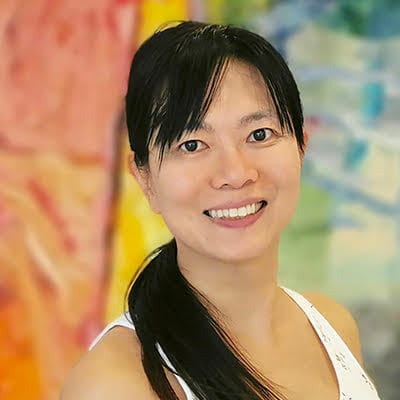
As a Public Interest Technology Scholar Program fellow and an affiliate at the Institute for Trustworthy AI in Law and Society (TRAILS), Alexa Alice Joubin is a leading voice in generative AI and social justice issues. She is the inaugural recipient of the bell hooks Legacy Award and holder of the Martin Luther King, Jr. Award. She writes about artificial intelligence (AI), race, gender, globalization, Taiwan and Sinophone diaspora studies, cultural diplomacy, and film and theatre. The bell hooks Award recognizes her achievements in “dismantling intersectional systems of oppression with the distinct goals of uplifting members of historically marginalized populations and striving for social justice,” through her “groundbreaking work that speaks to our moment in history and our hope for the future” and her public scholarship, use of generative AI tools as assistive technology in class, open-access publications, and inclusive pedagogies. The recipient of George Washington University’s Trachtenberg Research Award, Dr. Joubin is the co-author of Race (2018) and the author and editor of 24 books on global feminism, critical race theory, and performance studies.

Dr. Joubin teaches in the English department, is an affiliated faculty in Women’s, Gender, and Sexuality Studies, and co-founded the GW Digital Humanities Institute. She directed the Dean’s Scholars in Shakespeare (a signature program of GW’s Columbian College of Arts and Sciences). At MIT, she is co-founder and co-director of the open access Global Shakespeares digital performance archive. Her publications can be accessed on ResearchGate. 

Her teaching and publications are unified by a commitment to understanding the mobility of early modern and postmodern cultures in their literary, performative, and digital forms of expression. Her research has been funded by the Fulbright, National Endowment for the Humanities, American Council of Learned Societies, Chiang Ching-kuo Foundation, International Shakespeare Association, Folger Institute, and other agencies. 

Moderator

A picture for Prof. Lind J. Yarr

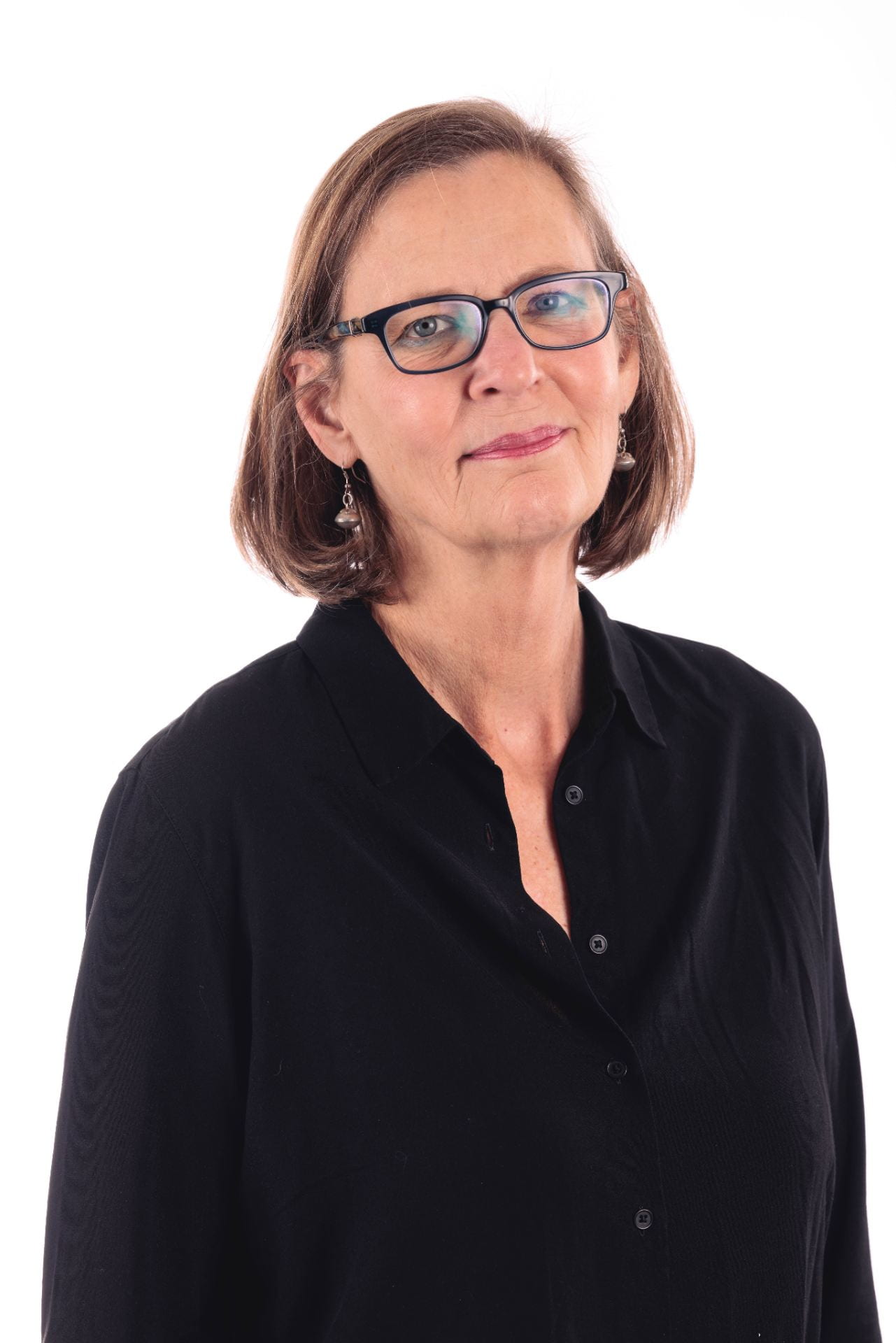
Janet Steele is professor of Media and Public Affairs and International Affairs, and the interim director of the Sigur Center for Asian Studies. She received her Ph.D. in History from the Johns Hopkins University, and focuses on how culture is communicated through the mass media.

Dr. Steele is a frequent visitor to Southeast Asia where she lectures on topics ranging from the role of the press in a democratic society to specialized courses on narrative journalism. Her book, “Wars Within: The Story of Tempo, an Independent Magazine in Soeharto’s Indonesia,” focuses on Tempo magazine and its relationship to the politics and culture of New Order Indonesia. “Mediating Islam, Cosmopolitan Journalisms in Muslim Southeast Asia,” explores the relationship between journalism and Islam in Indonesia and Malaysia.

Awarded two Fulbright teaching and research grants to Indonesia and a third to Serbia, she has served as a State Department speaker-specialist in Indonesia, Malaysia, Vietnam, Cambodia, Brunei, the Philippines, East Timor, Taiwan, Burma, Sudan, Egypt, India, Bangladesh, Jamaica, and Kosovo. The author of numerous articles on journalism theory and practice, her 2014 book, “Email Dari Amerika,” (Email from America), is a collection of newspaper columns written in Indonesian and originally published in the newspaper Surya. Her most recent book, forthcoming in October 2023, is called “Malaysiakini and the power of independent media in Malaysia.”

Sigur Center logo with line art of Asian landmarks

[3/1/2024] New Books in Asian Studies: The Collapse of Nationalist China

Friday, March 1, 2024

2:00 PM – 3:30 PM ET

Lindner Family Commons Room 602

Elliott School of International Affairs

1957 E Street NW Washington, D.C. 20052

When World War II ended Chiang Kai-shek seemed at the height of his power-the leader of Nationalist China, one of the victorious Allied Powers in 1945 and with the financial backing of the US. Yet less than four years later, he lost the China’s civil war against the communists. Offering an insightful chronological treatment of the years 1944–1949, Parks Coble addresses why Chiang was unable to win the war and control hyperinflation. Using newly available archival sources, he reveals the critical weakness of Chiang’s style of governing, the fundamental structural flaws in the Nationalist government, bitter personal rivalries and Chiang’s personal lack of interest in finance. This major work of revisionist scholarship will engage all those interested in the shaping of twentieth-century history.

Join the Sigur Center as we discuss this monumental work of scholarship with history Parks M. Coble. RSVP today!

Speaker

A picture of Larry Repeta smiling and looking at the camera

Parks M. Coble is the James S. Sellers Professor of History, having joined the department in August 1976. He teaches surveys of general East Asian history, covering China, Japan, Korea, and Vietnam, and specialized courses on modern China and Japan.

Parks Coble’s research field is 20th century China with special emphasis on the political history of Republican China (1911-1949), the history of Chinese business in the 20th century, and Sino-Japanese interactions. Recent publications have included a study of Chinese businessmen living in occupied China during World War II, and of the anti-Japanese movement in China in the 1930s. His current project examines the collapse of the Chiang Kai-shek government in China in 1949 by analyzing the tragic consequences of hyperinflation in China during the period from 1944 until 1949. The Japanese conquest of East China had isolated the Chiang stronghold in the interior and left the Chinese government with few financial resources. Chiang chose to simply print money which lead to disastrous consequences. After Japanese surrender there was no “peace dividend” so the erosion of the currency simply accelerated. New archival sources permit an in depth analysis of the decision making process within Chiang’s government.

Moderator

portrait of Celeste Arrington posing with arms crossed in black outfit

Edward A. McCord is Professor of History and International Affairs at The George Washington University, specializing in Chinese history. He is the author of The Power of the Gun: The Emergence of Modern Chinese Warlordism (University of California Press) and Military Force and Elite Power in the Making of Modern China (Routhledge). He has published numerous articles, focusing mainly on the role and impact of the military in modern Chinese society, in journals such as Modern China, Twentieth-Century China, and Modern Asian Studies. Besides teaching graduate and undergraduate students in modern and pre-modern Chinese history at The George Washington University, Professor McCord lectures frequently on Chinese history at the Foreign Service Institute and the Smithsonian Institution’s Campus on the Mall program. He is also a member of the editorial board of Modern China.

Professor McCord received his Ph.D. in Chinese history from the University of Michigan in 1985. Following a post-doctoral fellowship at the University of California-Berkeley, he was an assistant professor of history at the University of Florida in Gainesville Florida, where he received several awards for undergraduate teaching. In 1994 he moved to The George Washington University in Washington, D.C., as an associate professor, also serving as Director of the University’s East Asian Studies Program. In the period from January 1998 to June 2006 he served successively as the Associate Dean for Students and Curriculum, Faculty and Research, Faculty and Student Affairs, and Senior Associate Dean for Management and Planning for GW’s Elliott School of International Affairs. He is also the founder and Director of the Elliott School’s Taiwan Education and Research Program. From September 2011 to June 2014, he served as the Director of the Sigur Center for Asian Studies.

 
Sigur Center logo with line art of Asian landmarks

2/7/2024 Book Launch: Malaysiakini and the Power of Independent Media in Malaysia

Wednesday, February 7, 2023

12:30 PM – 2:00 PM EST

Lindner Family Commons Room 602

Elliott School of International Affairs

1957 E Street NW Washington, D.C. 20052

And Online

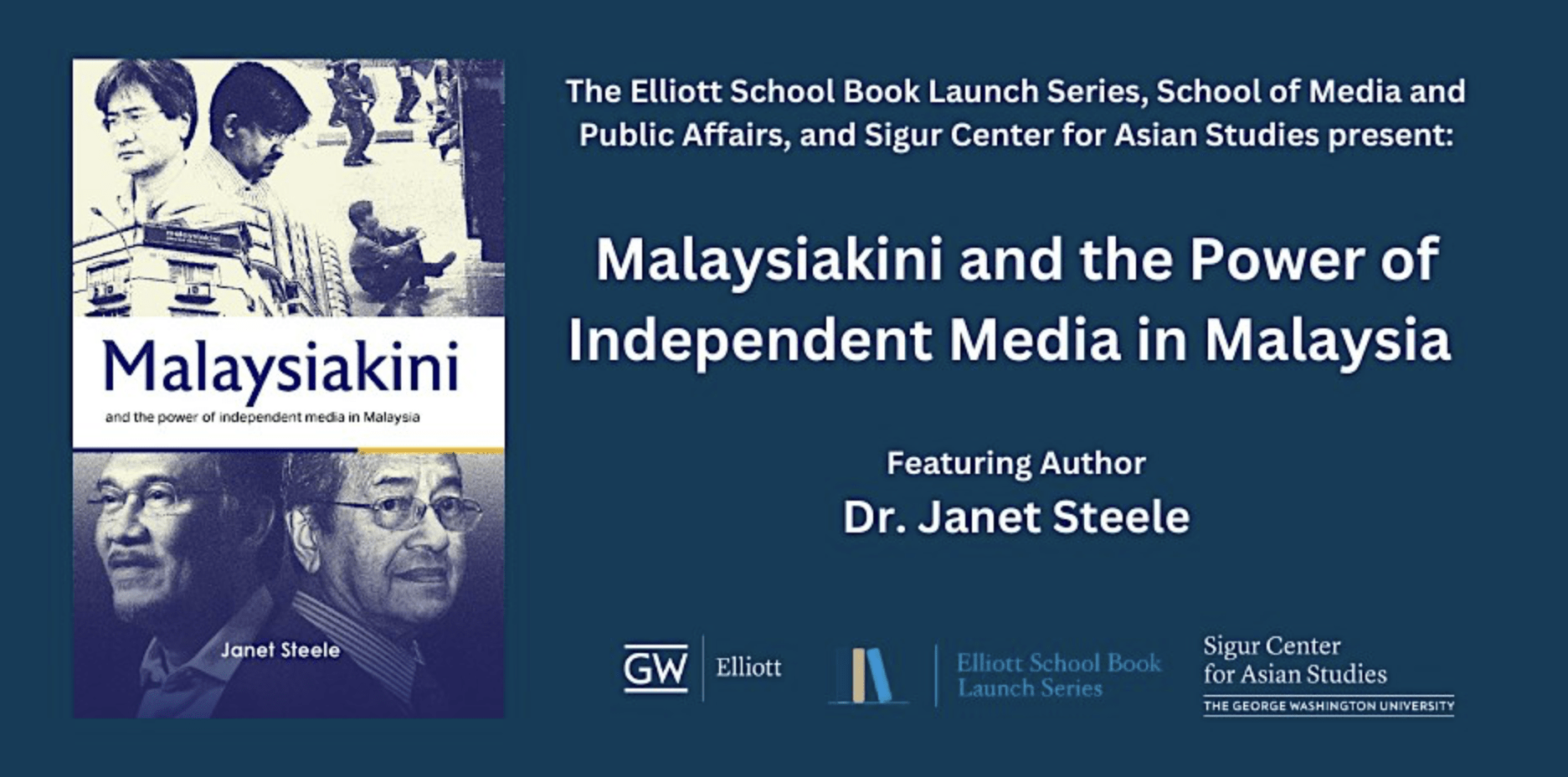
The Elliott School Book Launch Series, School of Media and Public Affairs, and Sigur Center for Asian Studies invite you to the book launch for Malaysiakini and the Power of Independent Media in Malaysia, the newest book by GWU Professor of Media and Public Affairs and International Affairs Janet Steele.

This will be a hybrid, on the record, recorded event. Guests are welcome to join us in-person at the Elliott School of International Affairs or online via Zoom. Please register for more information on attending the event.

Light snacks will be provided.

About the Agenda:

  • 12:30pm, Welcoming Remarks from Dean of the Elliott School of International Affairs, Alyssa Ayres
  • 12:35pm, Book Talk by Author Janet Steele
  • 1:05pm, Q&A with the Audience

About the Book:

Malaysiakini and the Power of Independent Media in Malaysia, chronicles the success of Malaysia’s only truly independent media outlet. Founded in 1999 by Steven Gan and Premesh Chandran, Malaysiakini was one of many online portals that sprung up in the wake of Reformasi, a period of public protests sparked by Prime Minister Mahathir Mohammad’s 1998 firing of his deputy Anwar Ibrahim. At first, there was no reason to think that Malaysiakini would be anything momentous. However, Malaysiakini wanted to do something much more important than just reporting on Reformasi—its founders intended to bring independent journalism to Malaysia in hopes of changing the country for the better.

Based on more than fifteen years of observation of Malaysiakini’s newsroom practices, Malaysiakini and the Power of Independent Media in Malaysia is an intimate portrait of the people and issues behind Malaysia’s only truly independent media outlet. Steele illustrates Malaysiakini’s unique mix of idealism in action, studying how sensitive issues such as race, religion, politics, and citizenship are discussed in the newsroom. This attention to the inner workings of one of the most important media institutions in the region yields not only a deep newsroom ethnography but a nuanced, rich history of modern Malaysia.

About the Author:

Janet Steele is professor of Media and Public Affairs and International Affairs, and the interim director of the Sigur Center for Asian Studies. She received her Ph.D. in History from the Johns Hopkins University, and focuses on how culture is communicated through the mass media.

Dr. Steele is a frequent visitor to Southeast Asia where she lectures on topics ranging from the role of the press in a democratic society to specialized courses on narrative journalism. Awarded two Fulbright teaching and research grants to Indonesia and a third to Serbia, she has served as a State Department speaker-specialist in Indonesia, Malaysia, Vietnam, Cambodia, Brunei, the Philippines, East Timor, Taiwan, Burma, Sudan, Egypt, India, Bangladesh, Jamaica, and Kosovo.

Steele is the author of numerous articles on journalism theory and practice and multiple monographs. Her 2005 book, Wars Within: The Story of Tempo, an Independent Magazine in Soeharto’s Indonesia, examines Tempo magazine and its relationship to the politics and culture of New Order Indonesia. In 2014 she authored, Email Dari Amerika, (Email from America), a collection of newspaper columns written in Indonesian and originally published in the newspaper Surya. Her 2018 book, Mediating Islam, Cosmopolitan Journalisms in Muslim Southeast Asia examines day-to-day reporting practices of Muslim professionals, from conservative scripturalists to pluralist cosmopolitans, at five exemplary news organizations in Malaysia and Indonesia.


Sigur Center logo with line art of Asian landmarks

4/12/23 New Books in Asian Studies: China’s Rise in the Global South

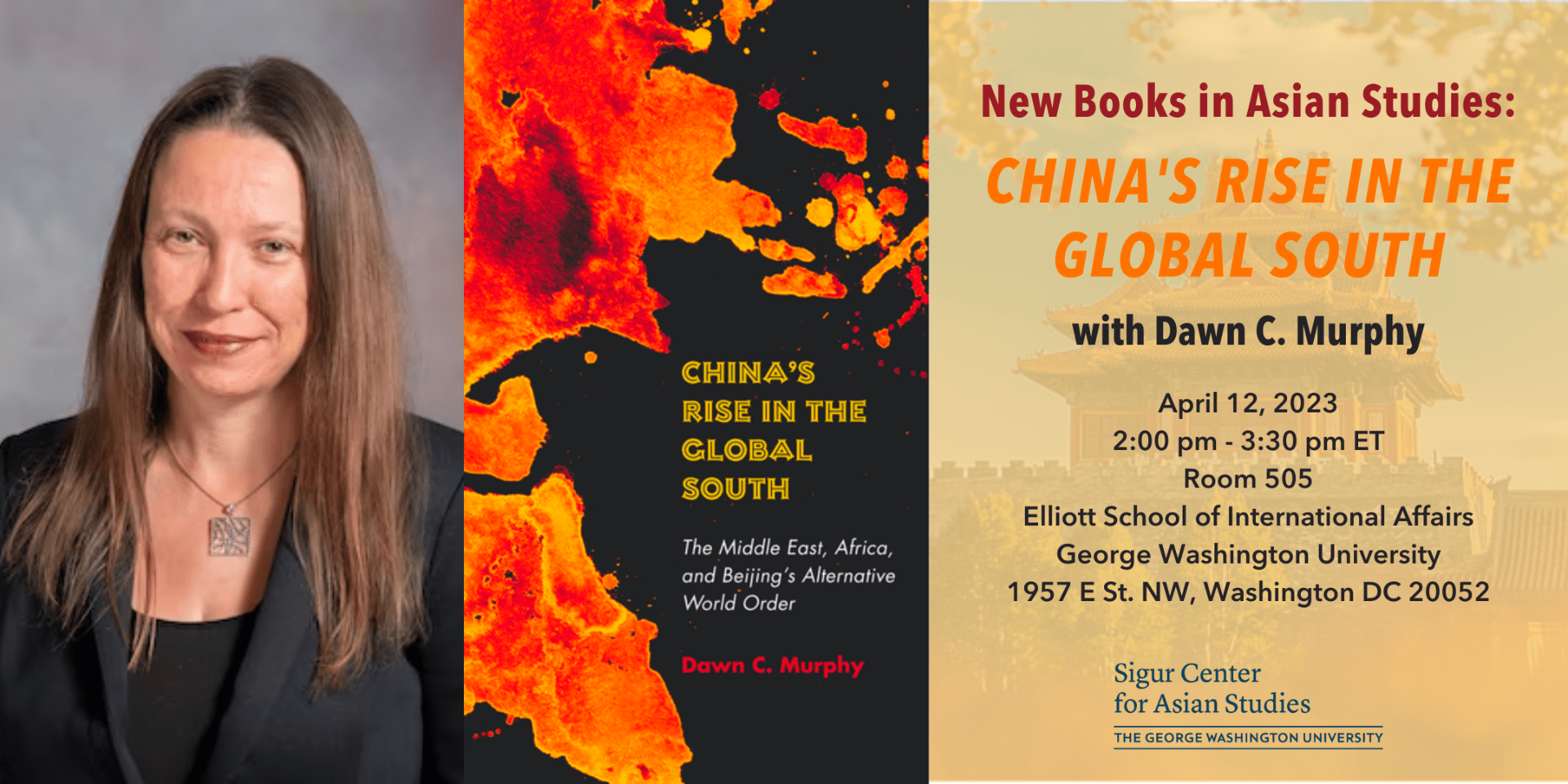
A graphic for "China's Rise in the Global South"

Wednesday, April 12, 2023

2:00 PM – 3:30 PM ET

Room 505

Elliott School of International Affairs

1957 E Street NW Washington, D.C. 20052

As China and the U.S. increasingly compete for power in key areas of U.S. influence, great power conflict looms. Yet few studies have looked to the Middle East and Africa, regions of major political, economic, and military importance for both China and the U.S., to theorize how China competes in a changing world system.

China’s Rise in the Global South examines China’s behavior as a rising power in two key Global South regions, the Middle East and sub-Saharan Africa. Dawn C. Murphy, drawing on extensive fieldwork and hundreds of interviews, compares and analyzes thirty years of China’s interactions with these regions across a range of functional areas: political, economic, foreign aid, and military. From the Belt and Road initiative to the founding of new cooperation forums and special envoys, China’s Rise in the Global South offers an in-depth look at China’s foreign policy approach to the countries it considers its partners in South-South cooperation.

Intervening in the emerging debate between liberals and realists about China’s future as a great power, Murphy contends that China is constructing an alternate international order to interact with these regions, and this book provides policymakers and scholars of international relations with the tools to analyze it.

Copies of the book can be purchased from Stanford University Press.

Registration is free and open to the public.

This event will be recorded and will be available on the Sigur Center YouTube channel after the event.

Speaker

Dr. Dawn Murphy joined the National War College as an Associate Professor of National Security Strategy in 2022. Prior to joining NWC, her academic appointments included Associate Professor of International Security Studies at Air War College, Visiting Assistant Professor of Political Science at George Washington University, and Postdoctoral Research Fellow with the Princeton (Columbia)-Harvard China and the World Program at Princeton University.

Murphy specializes in Chinese foreign policy and domestic politics, US-China relations, and international relations. Her research analyzes China’s interests and behavior as a rising global power towards the existing international order. She examines China’s relations with the Middle East and Sub-Saharan Africa in her book China’s Rise in the Global South: The Middle East, Africa, and Beijing’s Alternative World Order (Stanford University Press, 2022). It analyzes China’s foreign policy approach towards the Middle East and Sub-Saharan Africa regionally (e.g., political, economic, military, and foreign aid) and through detailed case studies of the China-Arab States Cooperation Forum (CASCF), the Forum on China-Africa Cooperation (FOCAC), the China-Middle East Issues Special Envoy, the China-Africa Issues Special Envoy, China’s Special Envoy for Syria, China’s naval base in Djibouti, and China’s Belt and Road initiative.

Dr. Murphy holds a B.S. in Industrial and Labor Relations from Cornell University, Master of International Affairs from Columbia University’s School of International and Public Affairs, and Ph.D. in Political Science from George Washington University.

Discussant


David Shambaugh is an internationally recognized authority and award-winning author on contemporary China and the international relations of Asia. He is the Gaston Sigur Professor of Asian Studies, Political Science & International Affairs, and the founding Director of the China Policy Program in the Elliott School of International Affairs at George Washington University. He previously served in the Department of State and on the National Security Council staff during the Carter administration (1977-1979). From 1996-2016 he was also a Nonresident Senior Fellow in the Foreign Policy Studies Program at The Brookings Institution. Professor Shambaugh was previously Lecturer, Senior Lecturer, and Reader in Chinese Politics at the University of London’s School of Oriental & African Studies (SOAS), 1987-1996, where he also served as Editor of The China Quarterly. He has served on the Board of Directors of the National Committee on U.S.-China Relations, Advisory Board of the National Bureau of Asian Research (NBR), East-West Center Fellowship Board, is a life member of the Council on Foreign Relations and member of its Board of Studies, is a participant in the Aspen Strategy Group, and other public policy and scholarly organizations. An active public intellectual and frequent commentator in the international media, he also serves on numerous editorial boards, and has been a consultant to governments, research institutions, foundations, universities, corporations, banks, and investment funds.

He has been selected for numerous awards and grants, including as a Fellow at the Woodrow Wilson International Center for Scholars, a Senior Scholar by the Phi Beta Kappa Society, and a Senior Fulbright Scholar (Chinese Academy of Social Sciences). He has received research grants from the Ford Foundation, Rockefeller Foundation, Smith Richardson Foundation, German Marshall Fund, Hinrich Foundation, the British Academy, U.S. National Academy of Sciences, and has been a visiting scholar or professor at universities in Australia, China, Denmark, Germany, Hong Kong, Italy, Japan, New Zealand, Russia, Singapore, Taiwan, and he has lectured all over the world.

As an author, Professor Shambaugh has published more than 30 books, including most recently International Relations of Asia (third edition, 2022); China’s Leaders: From Mao to Now (2021); Where Great Powers Meet: America & China in Southeast Asia (2021); and China & the World (2020). Other books include The China Reader: Rising Power (2016); Tangled Titans: The United States and China (2012); China’s Communist Party: Atrophy & Adaptation (2008); Power Shift: China & Asia’s New Dynamics (2005); and Modernizing China’s Military (2002); Making China Policy (2001); The Modern Chinese State (2000); Chinese Foreign Policy: Theory & Practice (1994); American Studies of Contemporary China (1993); and Beautiful Imperialist (1991). He has also authored numerous reports, scholarly articles and chapters, newspaper op-eds, and book reviews. He is reasonably fluent in Chinese, and has some French, German, and Spanish.

Moderator

Gregg A. Brazinsky works on U.S.-East Asian relations and East Asian international history. He is interested in the flow of commerce, ideas, and culture among Asian countries and across the Pacific. He is proficient in Mandarin Chinese and Korean. He is the author of two books: Winning the Third World (2017), which focuses on Sino-American Rivalry in the Third World and Nation Building in South Korea (2007), which explores U.S.-South Korean relations during the Cold War. Currently, he is working on two other book projects. The first examines American nation-building in Asia during the Cold War. The second explores Sino-North Korean relations between 1949 and 1992 and focuses specifically on the development of cultural and economic ties between the two countries. He has received numerous fellowships to support his research including the Kluge Fellowship from the Library of Congress, the Smith Richardson Foundation junior faculty fellowship, and a fellowship from the Woodrow Wilson Center. Professor Brazinsky also currently serves as the director of the George Washington Cold War Group.

As director of the Asian Studies Program, Professor Brazinsky has attracted some of the brightest students from around the country and the world who share a commitment to pursuing careers related to Asia. He helped to launch a special mentoring program for Asian Studies MA students and has worked to expand fellowship and professional opportunities for students in the program.


Sigur Center logo with line art of Asian landmarks

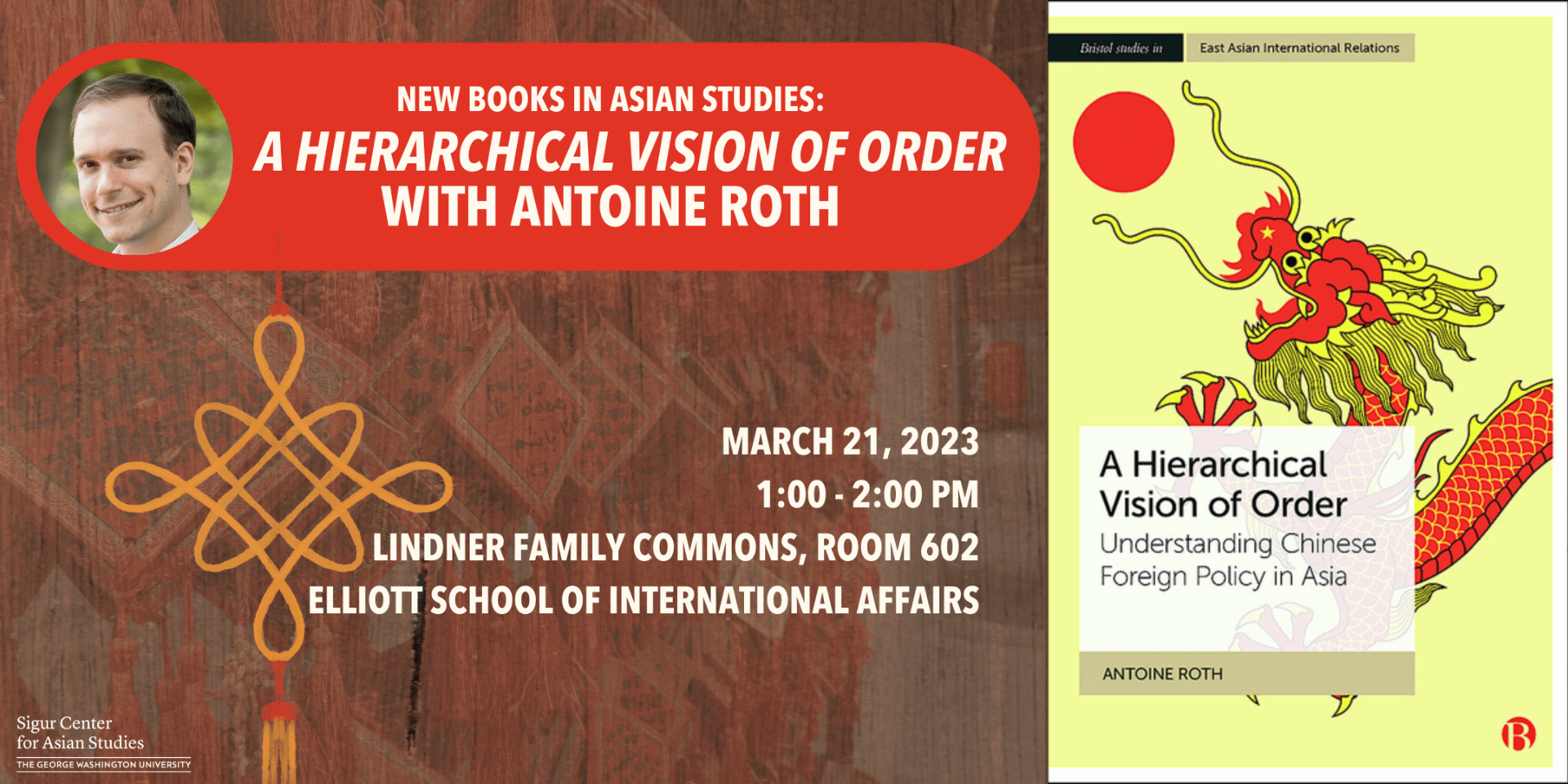
3/21/23: A Hierarchical Vision of Order w/Antoine Roth

A graphic for Hierarchical Vision of Order

Tuesday, March 21, 2023

1:00 PM – 2:00 PM ET

Lindner Family Commons

Elliott School of International Affairs

1957 E Street NW Washington, D.C. 20052

 
China’s vision for international order is a matter of great global interest. This book analyses China’s efforts to realize this vision in its immediate neighborhood. Using a wide variety of sources, the book provides a historically informed account by examining the legacies of China’s imperial past and traditional political philosophy, discussing how those legacies have continued to inform the country’s foreign policy in the very different context of the modern society of sovereign nation-states. It argues that China today sees the maintenance of order as its own responsibility and that it believes this order needs to attribute different roles to ‘small’ and ‘big’ states to ensure stability. Furthermore, the book explores the different tools China employs to achieve its vision, including a proactive diplomacy, the control of international discourse, threat of punishment for ‘misbehavior’, and the promise of economic benefits in return for compliance.


Speaker

Antoine Roth is an assistant professor at Tohoku University in Sendai, Japan. His research and teaching focuses on Chinese foreign policy and the international politics of East Asia. He writes a regular column on Sino-Japanese relations for the Tokyo Review. He holds a PhD in international politics from the University of Tokyo and a Master in Asian Studies from George Washington University. 

Moderator

                                                                            headshot of Robert Sutter in professional attire


Robert Sutter is Professor of Practice of International Affairs at the Elliott School of George Washington University (2011-Present ). He also served as Director of the School’s main undergraduate program involving over 2,000 students from 2013-2019. His earlier full-time position was Visiting Professor of Asian Studies at Georgetown University (2001-2011).

A Ph.D. graduate in History and East Asian Languages from Harvard University, Sutter has published 22 books (four with multiple editions), over 300 articles and several hundred government reports dealing with contemporary East Asian and Pacific countries and their relations with the United States. His most recent book is Chinese Foreign Relations: Power and Policy of an Emerging Global Force, Fifth Edition (Rowman & Littlefield, 2021).

Sutter’s government career (1968-2001) saw service as senior specialist and director of the Foreign Affairs and National Defense Division of the Congressional Research Service, the National Intelligence Officer for East Asia and the Pacific at the US Government’s National Intelligence Council, the China division director at the Department of State’s Bureau of Intelligence and Research and professional staff member of the Senate Foreign Relations Committee

Sigur Center logo with line art of Asian landmarks