11/15/22 | Taiwan and Post-Crisis Economics: New Pathways for U.S.-Taiwan 21st Century Trade

Tuesday, November 15, 2022

12:00 PM – 2:00 PM EDT

Lindner Family Commons, Room 602

Elliott School of International Affairs

1957 E ST NW, Washington, DC 20052

In August, Taiwan and the U.S. began formal negotiations for the U.S.-Taiwan Initiative on 21st Century Trade with an ambitious roadmap. This is expected to lay the groundwork for growth in trade as well as other new areas for collaboration. In this post-crisis period since August, how are economic relations between the US and its eighth largest trading partner set to take off?

Join a group of leading experts at the Sigur Center’s Taiwan Roundtable Luncheon on Tuesday November 15 as they look at the political economy drivers of the U.S.-Taiwan relationship and how Taiwan’s economic position may be safeguarded in a more uncertain current global economic environment.

Registration is free and open to the public. This event is IN-PERSON only. Lunch will be held from 12:00-12:30 pm and the event will be held from 12:30 – 2:00 pm.

This event will be recorded and will be available on the Sigur Center YouTube channel after the event.


Agenda

12:00pm – 12:30pm | Lunch

12:30pm – 2:00pm | Taiwan and Post-Crisis Economics: New Pathways for U.S.-Taiwan 21st Century Trade

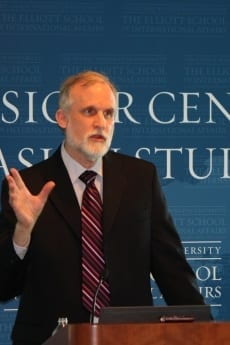
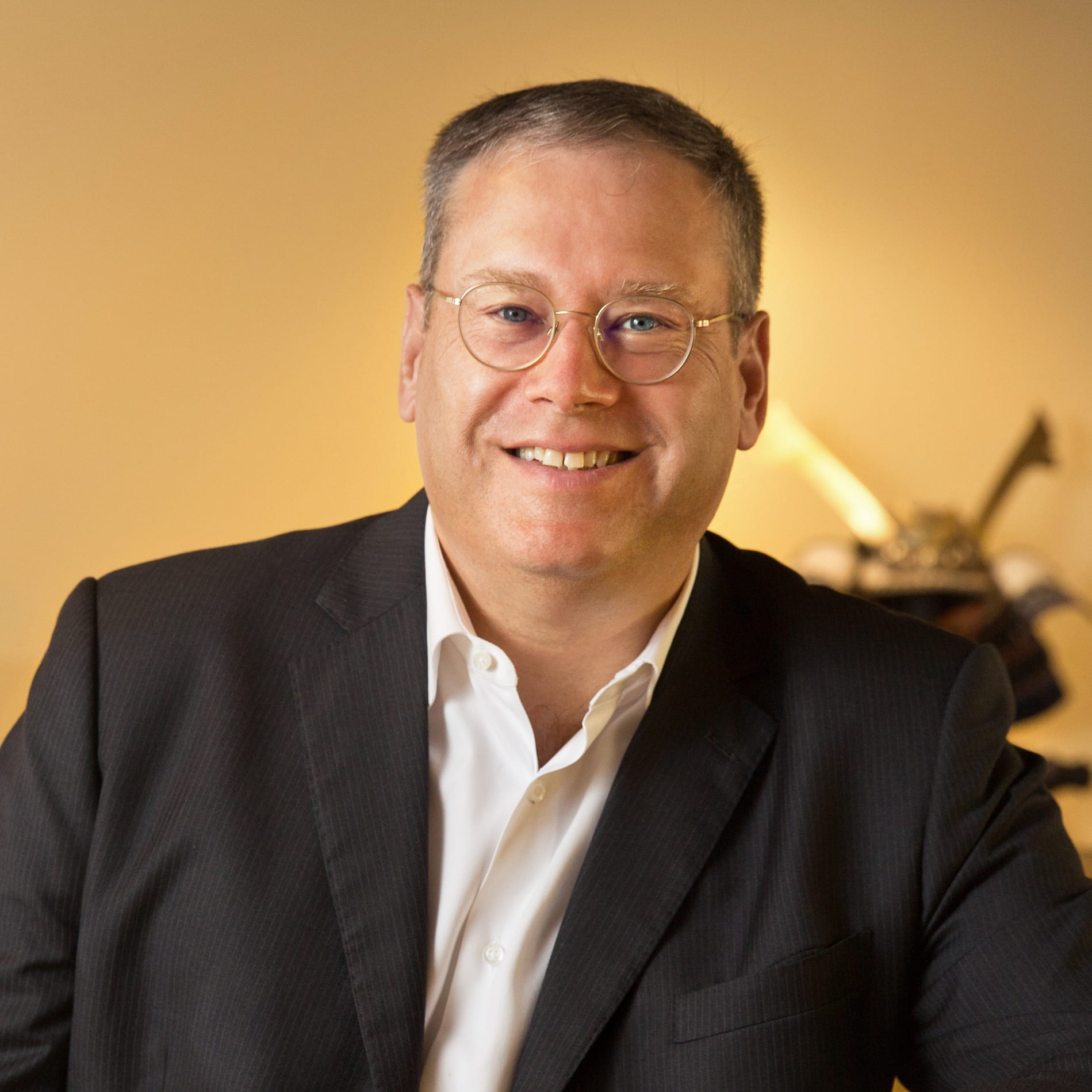
  • Ambassador Kurt Tong, Managing Partner, Executive Committee at The Asia Group, “Balancing the Politics and Economics of U.S.-Taiwan Trade”
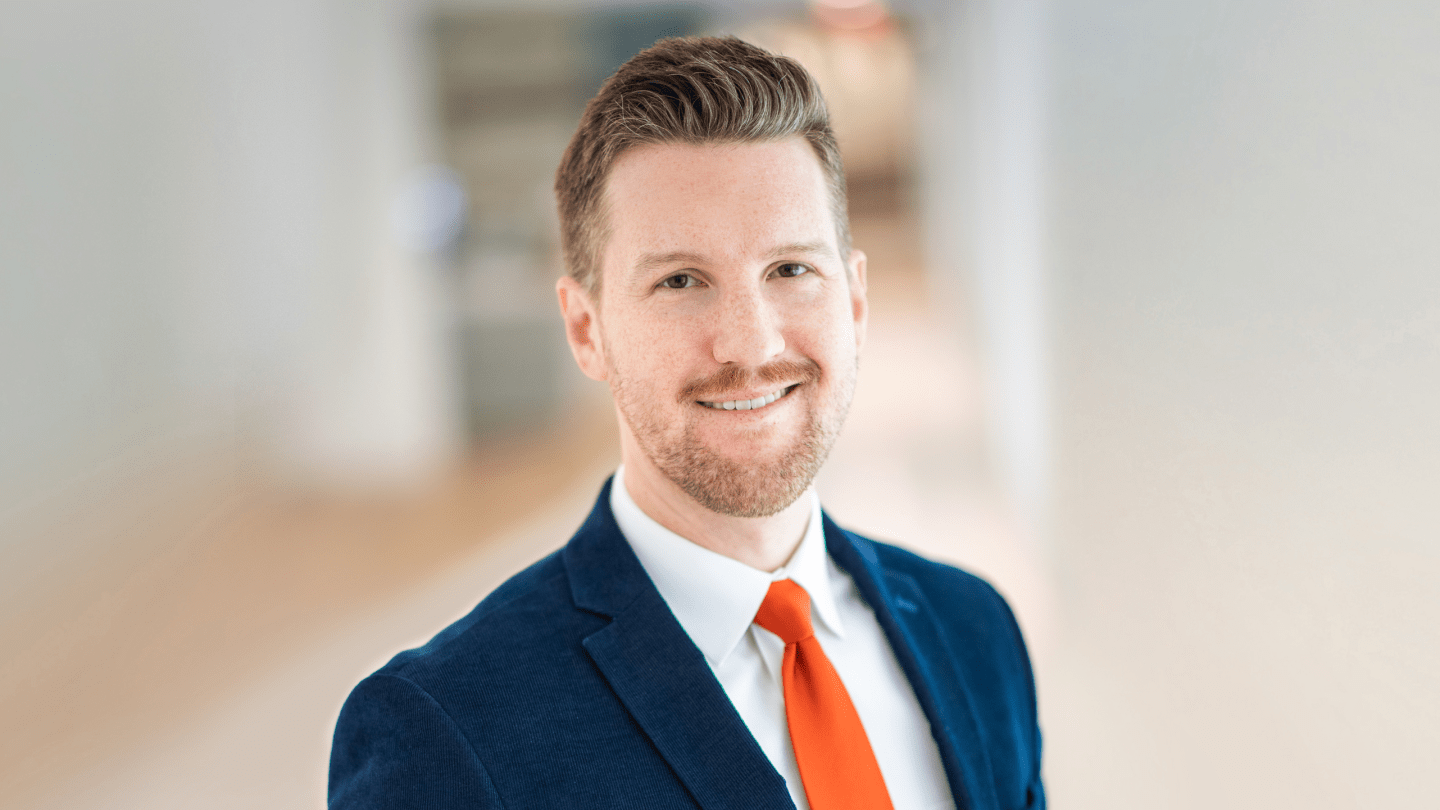
  • Riley Walters, Deputy Director of the Hudson Institute Japan Chair, “Boosting U.S.-Taiwan Trade Ties”
  • Vincent Wang, Dean College of Arts and Sciences, Adelphi University, “Explaining Taiwan’s Economic Agenda”
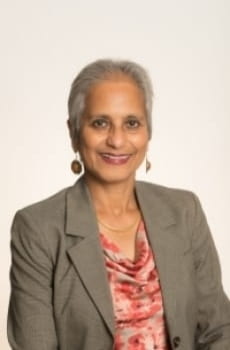
  • Moderator: Deepa Ollapally, Sigur Center for Asian Studies, George Washington University

Speakers
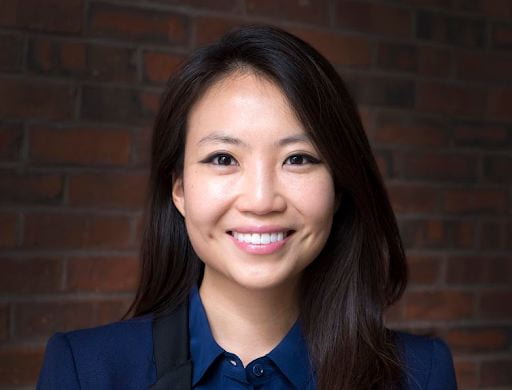
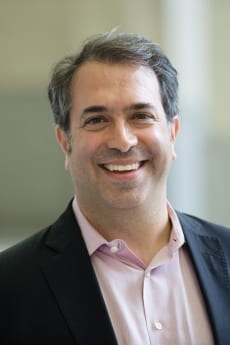
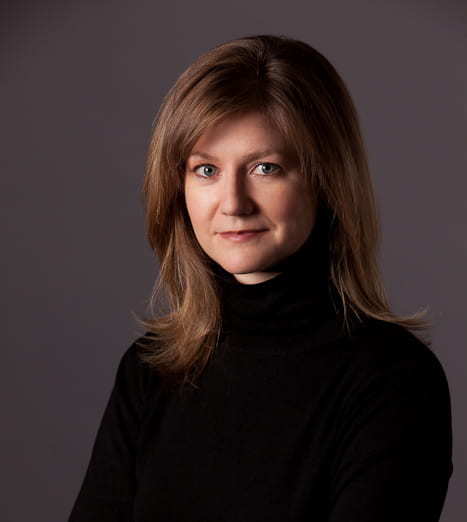
headshot of Rupert Hammond Chambers

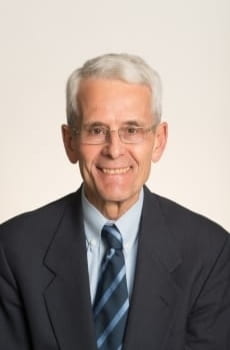
Ambassador Kurt Tong is Managing Partner and member of the Executive Committee at The Asia Group, where he leads consulting teams focused on Japan, China and Hong Kong, and on East Asia regional policy matters. He also leads the firm’s innovative thought leadership programs. A leading expert in diplomacy and economic affairs in East Asia, Ambassador Tong brings thirty years of experience in the Department of State as a career Foreign Service Officer and member of the Senior Foreign Service.

Prior to joining The Asia Group, Ambassador Tong served as Consul General and Chief of Mission in Hong Kong and Macau, leading U.S. political and economic engagement with that important free trade hub. Prior to that role, he served as the Principal Deputy Assistant Secretary for Economic and Business Affairs at the State Department from 2014 to 2016, guiding the Department’s institutional strengthening efforts as its most senior career diplomat handling economic affairs. He also served as the Deputy Chief of Mission and Chargé d’Affaires at the U.S. Embassy in Tokyo from 2011 to 2014, where he played a key role in setting the stage for Japan’s entry into the Trans-Pacific Partnership and supporting Japan’s recovery from the Great East Japan Earthquake.
A Headshot of Riley Walters

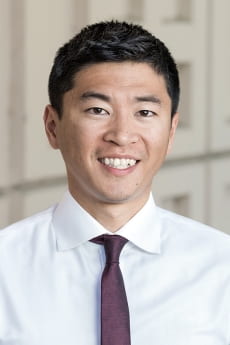
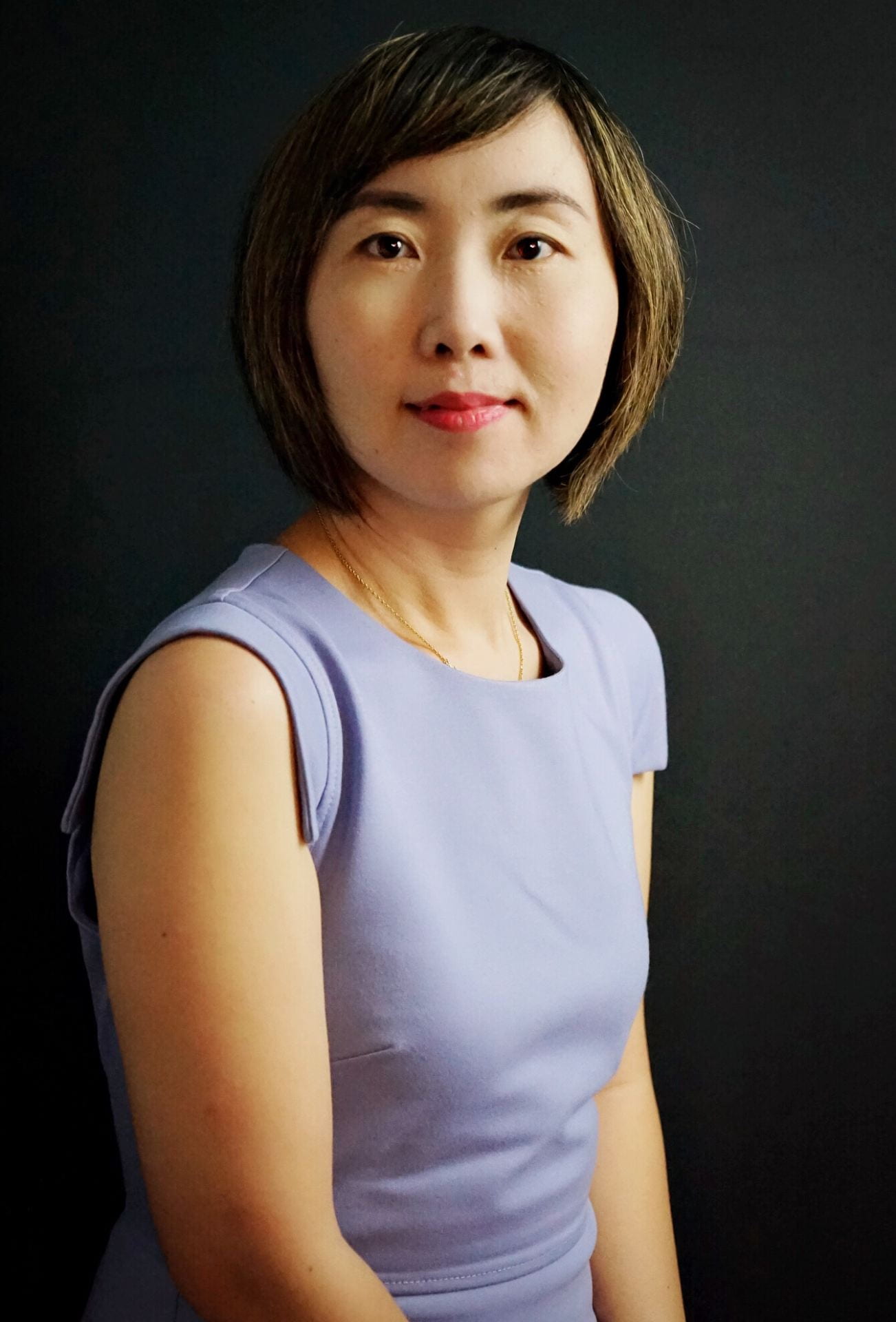
Riley Walters is deputy director of the Hudson Institute Japan Chair. His research objectives include expanding economic ties and promoting closer scientific and technological collaboration between the United States and Japan. Mr. Riley is also a senior non-resident fellow with the Global Taiwan Institute. Prior to joining Hudson, he was a senior policy analyst and economist in the Asian Studies Center at the Heritage Foundation. Previously, he was a Penn Kemble fellow with the National Endowment for Democracy, a George C. Marshall fellow at the Heritage Foundation, a national security fellow with the Foundation for Defense of Democracies, and Kim Koo fellow with the Korea Society. Mr. Riley has appeared on national television and radio extensively. He has written for a variety of publications, including The Hill, Japan Times, Global Taiwan Brief, ACCJ Journal, The Diplomat, the Washington Times, the National Interest, Fox Business, Geopolitical Intelligence Services, and others. Mr. Riley has bachelor’s and master’s degrees in economics from George Mason University. He has previously lived in Japan, including one year with strawberry farmers in Kumamoto prefecture and one year while studying at Sophia University in Tokyo. He is fluent in Japanese.
headshot of Emily Weinstein

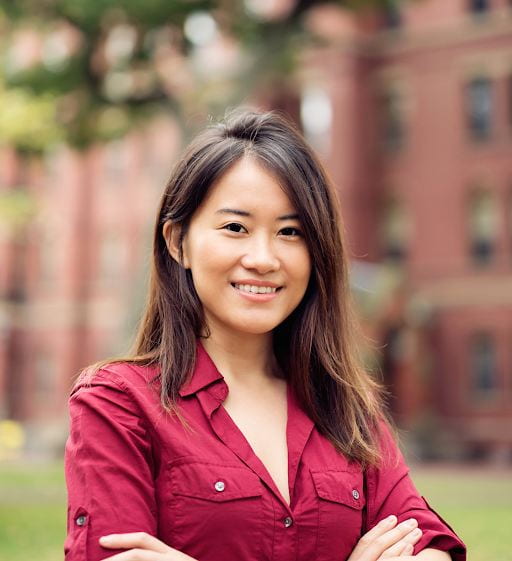
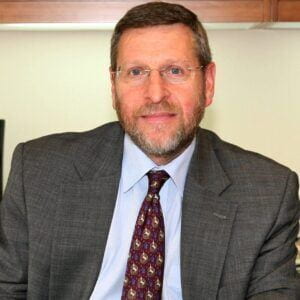
Vincent Wei-Cheng Wang is Dean of the College of Arts and Sciences and Professor of Political Science at Adelphi University. Wang formerly served as Dean of the School of Humanities and Sciences at Ithaca College. He was formerly a Professor of Political Science and Chairman of the Department at the University of Richmond, specializing in international political economy and Asian studies. He has been a Visiting Professor or Fellow at National Chengchi University (Taipei), National Sun-Yat-sen University (Kaohsiung, Taiwan), El Colegio de Mexico, and Institute for Far Eastern Studies, Kyungnam University (Seoul, South Korea). He received his Ph.D. from the University of Chicago. He is a first-generation college student and received his BA from National Taiwan University and MA from Johns Hopkins University.

Moderator
Deepa Ollapally, pictured in professional attire

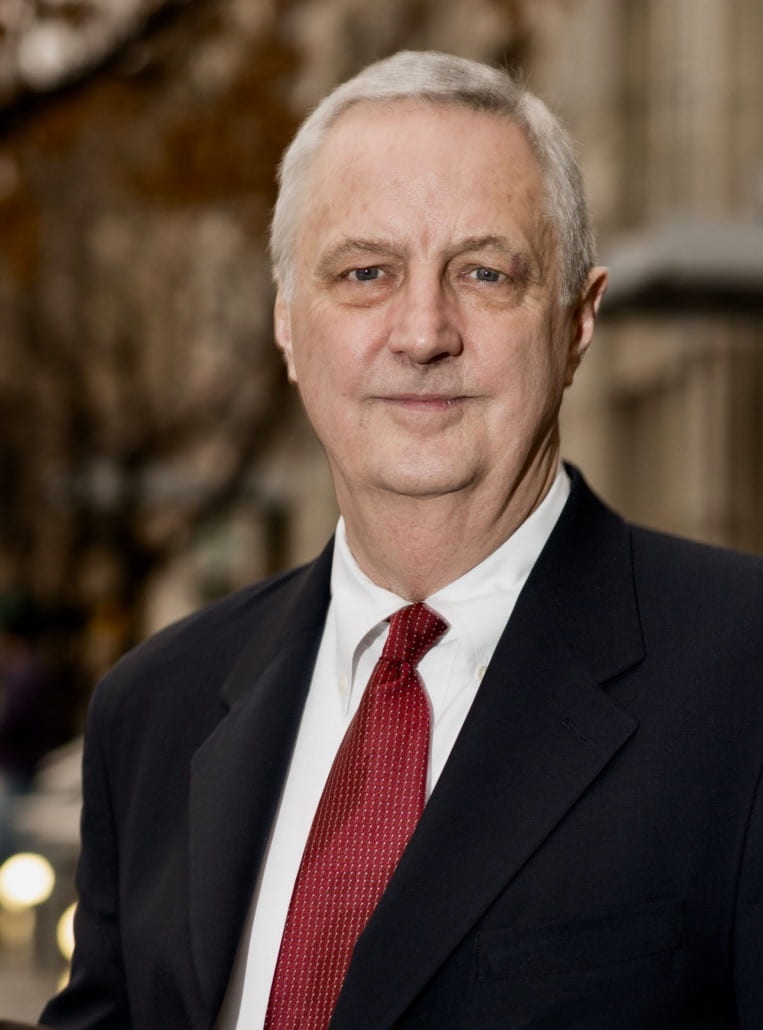
Deepa M. Ollapally is a political scientist specializing in Indian foreign policy, India-China relations, and Asian regional and maritime security. She is a Research Professor of International Affairs and the Associate Director of the Sigur Center. She also directs the Rising Powers Initiative, a major research program that tracks and analyzes foreign policy debates in aspiring powers of Asia and Eurasia.

Dr. Ollapally is currently working on a funded book, Big Power Competition for Influence in the Indian Ocean Region, which assesses the shifting patterns of geopolitical influence by major powers in the region since 2005 and the drivers of these changes. She is the author of five books including Worldviews of Aspiring Powers (Oxford, 2012) and The Politics of Extremism in South Asia (Cambridge, 2008). Her most recent books are two edited volumes, Energy Security in Asia and Eurasia (Routledge, 2017), and Nuclear Debates in Asia: The Role of Geopolitics and Domestic Processes (Rowman & Littlefield, 2016).
Sigur Center logo with line art of Asian landmarks

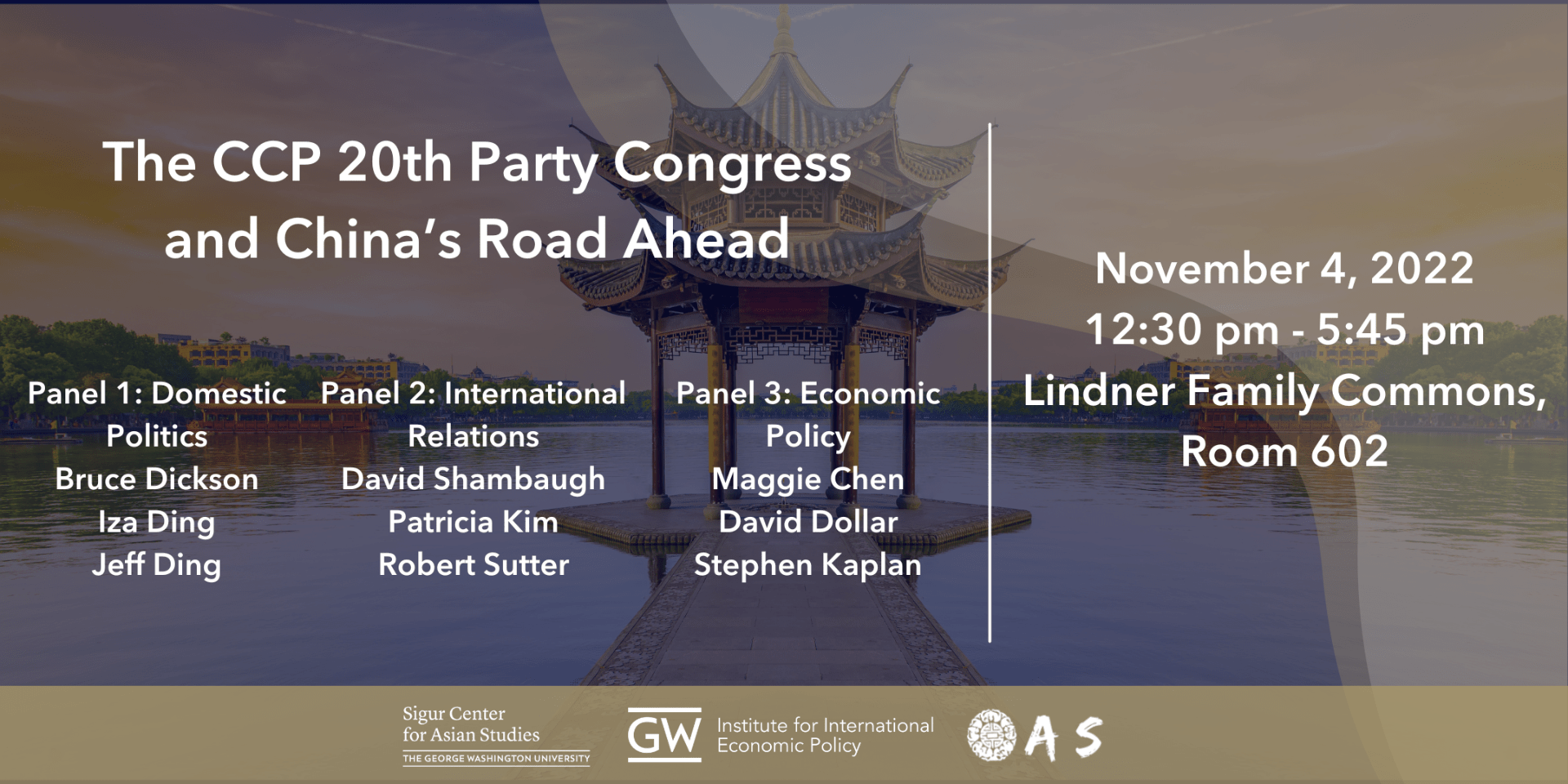
11/04/2022 | The CCP 20th Party Congress and China’s Road Ahead

An event graphic for "The CCP 20th Party Congress and China's Road Ahead"

Friday, November 4, 2022

12:30 – 5:45 PM ET

Lindner Family Commons, Room 602

Elliott School of International Affairs

1957 E ST NW, Washington, DC 20052

Critical questions about China’s future have swirled around the CCP’s 20th Party Congress: What will Xi Jinping’s third term mean for Chinese domestic politics? What are China’s intentions for Taiwan? How will the party manage slowing economic growth along with mounting demographic and environmental problems? The Sigur Center for Asian Studies will host a half-day congress where leading experts from GW’s distinguished China faculty and top scholars from other institutions seek to address these questions. The event will be in person only and open to the general public. Brief presentations will be followed by extended opportunities for Q&A with the audience.

Registration is free and open to the public. This event is IN-PERSON only. 

This event will be recorded and will be available on the Sigur Center YouTube channel after the event.

Speakers

Panel 1: Domestic Politics

Bruce Dickson speaking at a podium during an event

Bruce Dickson

Professor Dickson received his B.A. in political science and English literature, his M.A. in Chinese Studies, and his Ph.D. in political science from the University of Michigan. He joined the faculty of The George Washington University and the Elliott School in 1993. 

Professor Dickson’s research and teaching focus on political dynamics in China, especially the adaptability of the Chinese Communist Party and the regime it governs. In addition to courses on China, he also teaches on comparative politics and authoritarianism.

His current research examines the political consequences of economic reform in China, the Chinese Communist Party’s evolving strategy for survival, and the changing relationship between state and society. His research has been supported by the National Science Foundation, the Smith Richardson Foundation, the US Institute of Peace, and the Woodrow Wilson International Center for Scholars.

Iza Ding

Iza Ding

Professor Iza Ding is an Assistant Professor in the Political Science Department at the University of Pittsburgh, with a courtesy appointment in Public Policy at the Graduate School of Public and International Affairs. In 2019-2020, she was a Visiting Assistant Professor in Political Science and a Visiting Associate at the International Institute at the University of Michigan.


Professor Ding’s research explores the paradoxes and pushbacks attending economic, political, and cultural modernization, such as creative resistance against institutional rigidities, lingering moral traditions against legal development, enduring historical memories against rapid socioeconomic transformations, and humans’ simultaneous degradation of nature and attachment to nature. Her book The Performative State: Public Scrutiny and Environmental Governance in China has been recently released by Cornell University Press.

Professor Ding received her Ph.D. in Government from Harvard University, and her B.A. in Political Science and Russian and Eastern European Studies from the University of Michigan.

Jeffrey Ding

Jeffrey Ding

Professor Jeffrey Ding is an Assistant Professor of Political Science at George Washington University. Previously, he was a postdoctoral fellow at Stanford’s Center for International Security and Cooperation, sponsored by Stanford’s Institute for Human-Centered Artificial Intelligence.

Professor Ding’s research agenda centers on technological change and international politics. His dissertation investigates how past technological revolutions influenced the rise and fall of great powers, with implications for U.S.-China competition in emerging technologies like AI. Other research projects tackle how states should identify strategic technologies, assessments of national scientific and technological capabilities, and interstate cooperation on nuclear safety and security technologies. His work has been published in Foreign Affairs, Security Studies, The Washington Post, and other outlets.

Professor Ding received his Ph.D. in 2021 from the University of Oxford, where he studied as a Rhodes Scholar. Previously, Profesor Ding worked as a researcher for Georgetown’s Center for Security and Emerging Technology and Oxford’s Centre for the Governance of AI at the University of Oxford. Growing up in Iowa City, he became a lifelong Hawkeye fan and attended the University of Iowa for his undergraduate studies.


Panel 2: International Relations

Jeffrey Ding

David Shambaugh

David Shambaugh is an internationally recognized authority and award-winning author on contemporary China and the international relations of Asia. He is the Gaston Sigur Professor of Asian Studies, Political Science & International Affairs, and the founding Director of the China Policy Program in the Elliott School of International Affairs at George Washington University. He previously served in the Department of State and on the National Security Council staff during the Carter administration (1977-1979). From 1996-2016 he was also a Nonresident Senior Fellow in the Foreign Policy Studies Program at The Brookings Institution. Professor Shambaugh was previously Lecturer, Senior Lecturer, and Reader in Chinese Politics at the University of London’s School of Oriental & African Studies (SOAS), 1987-1996, where he also served as Editor of The China Quarterly. He has served on the Board of Directors of the National Committee on U.S.-China Relations, Advisory Board of the National Bureau of Asian Research (NBR), East-West Center Fellowship Board, is a life member of the Council on Foreign Relations and member of its Board of Studies, is a participant in the Aspen Strategy Group, and other public policy and scholarly organizations. An active public intellectual and frequent commentator in the international media, he also serves on numerous editorial boards, and has been a consultant to governments, research institutions, foundations, universities, corporations, banks, and investment funds.

He has been selected for numerous awards and grants, including as a Fellow at the Woodrow Wilson International Center for Scholars, a Senior Scholar by the Phi Beta Kappa Society, and a Senior Fulbright Scholar (Chinese Academy of Social Sciences). He has received research grants from the Ford Foundation, Rockefeller Foundation, Smith Richardson Foundation, German Marshall Fund, Hinrich Foundation, the British Academy, U.S. National Academy of Sciences, and has been a visiting scholar or professor at universities in Australia, China, Denmark, Germany, Hong Kong, Italy, Japan, New Zealand, Russia, Singapore, Taiwan, and he has lectured all over the world.

As an author, Professor Shambaugh has published more than 30 books, including most recently International Relations of Asia (third edition, 2022); China’s Leaders: From Mao to Now (2021); Where Great Powers Meet: America & China in Southeast Asia (2021); and China & the World (2020). Other books include The China Reader: Rising Power (2016); Tangled Titans: The United States and China (2012); China’s Communist Party: Atrophy & Adaptation (2008); Power Shift: China & Asia’s New Dynamics (2005); and Modernizing China’s Military (2002); Making China Policy (2001); The Modern Chinese State (2000); Chinese Foreign Policy: Theory & Practice (1994); American Studies of Contemporary China (1993); and Beautiful Imperialist (1991). He has also authored numerous reports, scholarly articles and chapters, newspaper op-eds, and book reviews. He is reasonably fluent in Chinese, and has some French, German, and Spanish.

Jeffrey Ding

Patricia M. Kim

Patricia M. Kim is a David M. Rubenstein Fellow at Brookings and holds a joint appointment to the John L. Thornton China Center and the Center for East Asia Policy Studies. She is an expert on Chinese foreign policy, U.S.-China relations, and U.S. alliance management and regional security dynamics in East Asia.

Previously, Kim served as a China specialist at the U.S. Institute of Peace, where she focused on China’s impact on conflict dynamics around the world and directed major projects on U.S.-China strategic stability and China’s growing presence in the Red Sea region. She was also a Stanton Nuclear Security Fellow at the Council on Foreign Relations, International Security Program Research Fellow at the Harvard Kennedy School of Government’s Belfer Center for Science and International Affairs, and postdoctoral fellow at the Princeton-Harvard China and the World Program at Princeton University.

Kim’s writing and research has been featured widely in outlets such as Foreign Affairs, Foreign Policy, The New York Times, The Washington Post and The South China Morning Post. She frequently briefs U.S. government officials in her areas of expertise and has testified before the House Intelligence Committee and the House Foreign Affairs Subcommittee on Terrorism, Nonproliferation, and Trade.

Kim received her doctoral degree from the Department of Politics at Princeton University and her bachelor’s degree with highest distinction in political science and Asian studies from the University of California, Berkeley. She is fluent in Mandarin Chinese and Korean, and proficient in Japanese. Kim is also a Global Fellow at the Woodrow Wilson Center and a term member of the Council on Foreign Relations.

Robert Sutter, pictured in professional attire

Robert G. Sutter

Robert Sutter is Professor of Practice of International Affairs at the Elliott School of George Washington University (2011-Present ). He also served as Director of the School’s main undergraduate program involving over 2,000 students from 2013-2019. His earlier full-time position was Visiting Professor of Asian Studies at Georgetown University (2001-2011).

A Ph.D. graduate in History and East Asian Languages from Harvard University, Sutter has published 22 books (four with multiple editions), over 300 articles and several hundred government reports dealing with contemporary East Asian and Pacific countries and their relations with the United States. His most recent book is Chinese Foreign Relations: Power and Policy of an Emerging Global Force, Fifth Edition (Rowman & Littlefield, 2021).

Sutter’s government career (1968-2001) saw service as senior specialist and director of the Foreign Affairs and National Defense Division of the Congressional Research Service, the National Intelligence Officer for East Asia and the Pacific at the US Government’s National Intelligence Council, the China division director at the Department of State’s Bureau of Intelligence and Research and professional staff member of the Senate Foreign Relations Committee.


Panel 3: Economic Policy

Robert Sutter, pictured in professional attire

Maggie Chen

Maggie Xiaoyang Chen is a professor of economics and international affairs at George Washington University. Professor Chen’s areas of research expertise includes multinational firms, international trade, and regional trade agreements and her work as been published extensively in leading academic journals.

She has worked as an economist in the research department of the World Bank, a consultant for various regional divisions of the World Bank and the International Finance Cooperation since 2003, a contributor to the World Development Report and World Bank’s Latin America and Caribbean Flagship Report, and a trade policy consultant for the U.S. Congressional Budget Office. Professor Chen is also a co-editor of the Economic Inquiry. Professor Chen received her Ph.D and M.A. in Economics from the University of Colorado at Boulder and her B.A. in Economics from Beijing Normal University.


Robert Sutter, pictured in professional attire

David Dollar

David Dollar is a senior fellow in the John L. Thornton China Center at the Brookings Institution and host of the Brookings trade podcast, Dollar&Sense. He is a leading expert on China’s economy and U.S.-China economic relations. From 2009 to 2013, Dollar was the U.S. Treasury’s economic and financial emissary to China, based in Beijing, facilitating the macroeconomic and financial policy dialogue between the United States and China. Prior to joining Treasury, Dollar worked 20 years for the World Bank, serving as country director for China and Mongolia, based in Beijing (2004-2009). His other World Bank assignments focused on Asian economies, including South Korea, Vietnam, Cambodia, Thailand, Bangladesh, and India. Dollar also worked in the World Bank’s research department. His publications focus on economic reform in China, globalization, and economic growth. He also taught economics at University of California Los Angeles, during which time he spent a semester in Beijing at the Graduate School of the Chinese Academy of Social Sciences in 1986. He has a doctorate in economics from New York University and a bachelor’s in Chinese history and language from Dartmouth College.


portrait of Stephen Kaplan smiling at the camera

Stephen B. Kaplan

Stephen B. Kaplan is an Associate Professor of Political Science and International Affairs; and a faculty affiliate of the Institute for International Economic Policy. He is also a current global fellow at the Wilson Center. Professor Kaplan joined the GWU faculty in the fall of 2010 after completing a postdoctoral research fellowship at the Niehaus Center for Globalization and Governance at Princeton University. While completing his doctorate at Yale University, Kaplan also worked as a researcher for former Mexican President Ernesto Zedillo at the Yale Center for the Study of Globalization. Prior to his doctoral studies, Professor Kaplan worked as a senior economic researcher at the Federal Reserve Bank of New York, writing extensively on developing country economics, global financial market developments, and emerging market crises for more than a half-decade.


Sigur Center logo with line art of Asian landmarks

10/28/2022 | New Books in Asian Studies: A Continent Erupts with Prof. Ronald H. Spector

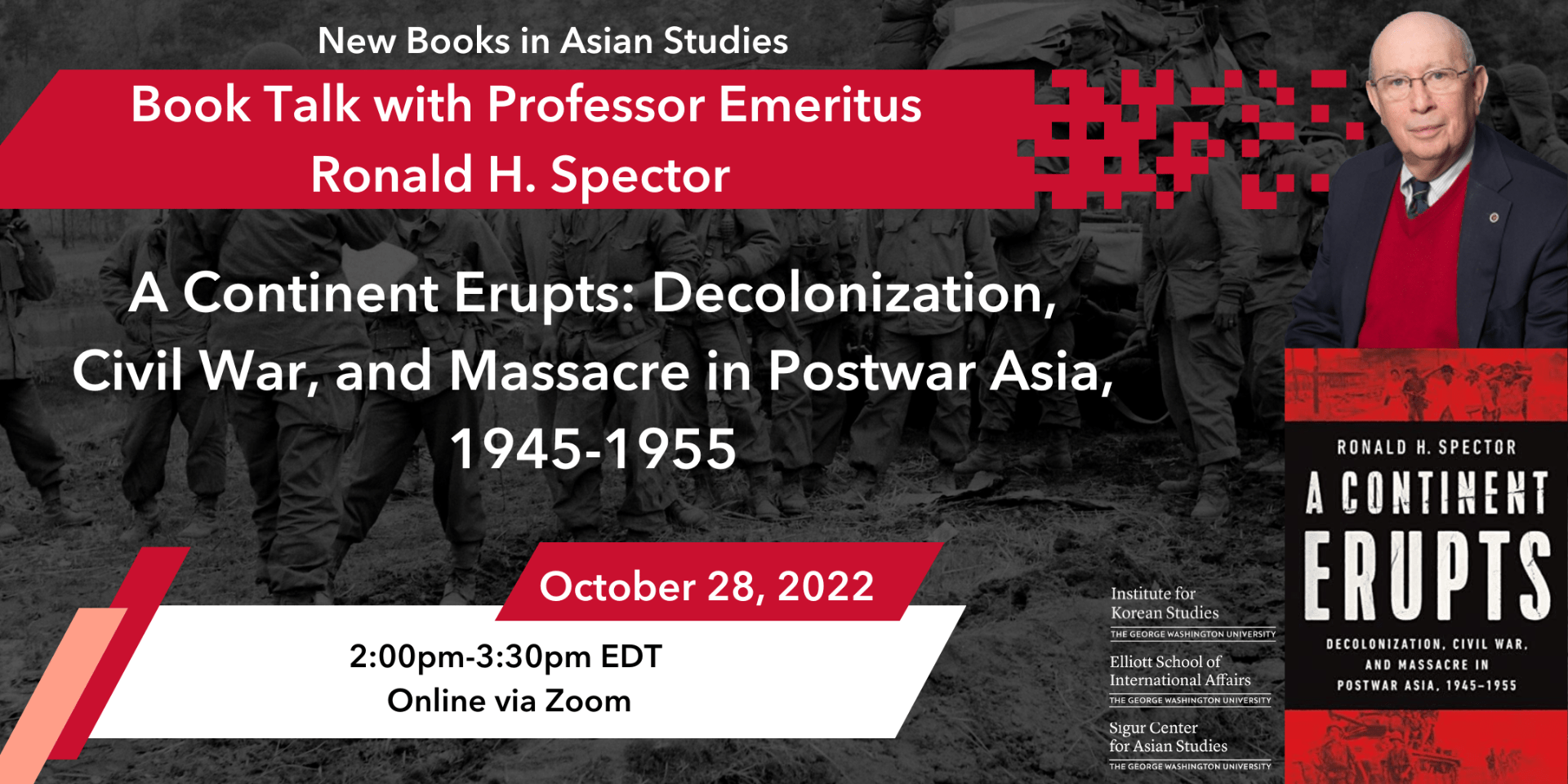
A graphic for "A Continent Erupts" featuring an image of the speaker, the title, the event take, and location

Friday, October 28, 2022 

2:00 PM – 3:30 PM EDT

Online via Zoom

As part of our New Books in Asia Series, the Sigur Center for Asian Studies will host a talk by Professor Emeritus of History and International Affairs, Ronald H. Spector about his new book A Continent Erupts: Decolonization, Civil War, and Massacre in Post-War Asia, 1945-1955. Sigur Center Director Gregg A. Brazinsky will moderate the event.

The end of World War II led to the United States’ emergence as a global superpower. For war-ravaged Western Europe it marked the beginning of decades of unprecedented cooperation and prosperity that one historian has labeled “the long peace.” Yet half a world away, in China, Indonesia, Vietnam, Korea, and Malaya—the fighting never really stopped, as these regions sought to completely sever the yoke of imperialism and colonialism with all-too-violent consequences.

East and Southeast Asia quickly became the most turbulent regions of the globe. Within weeks of the famous surrender ceremony aboard the U.S.S. Missouri, civil war, communal clashes, and insurgency engulfed the continent, from Southeast Asia to the Soviet border. By early 1947, full-scale wars were raging in China, Indonesia, and Vietnam, with growing guerrilla conflicts in Korea and Malaya. Within a decade after the Japanese surrender, almost all of the countries of South, East, and Southeast Asia that had formerly been conquests of the Japanese or colonies of the European powers experienced wars and upheavals that resulted in the deaths of at least 2.5 million combatants and millions of civilians.

With A Continent Erupts, acclaimed military historian Ronald H. Spector draws on letters, diaries, and international archives to provide, for the first time, a comprehensive military history and analysis of these little-known but decisive events. Far from being simply offshoots of the Cold War, as they have often been portrayed, these shockingly violent conflicts forever changed the shape of Asia, and the world as we know it today.

A Continent Erupts can be purchased from W. W. Norton. This event is free, on the record, and open to the public. 


Speaker

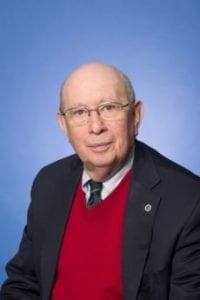
picture of ronald spector in professional attire

Ronald H. Spector is an award-winning Professor Emeritus of History and International Affairs in the Elliott School of International Affairs at George Washington University. He received his B.A. from Johns Hopkins and his MA and Ph.D. from Yale. He is the author of seven books, including Eagle Against the Sun and In the Ruins of Empire.

He has served in various government positions and on active duty in the Marine Corps from 1967-69 and 1983-84, and was the first civilian to become Director of Naval History and the head of the Naval Historical Center. He has served on the faculties of LSU, Alabama, and Princeton and has been a senior Fulbright lecturer in India and Israel. In 1995-96 he was Distinguished Visiting Professor of Strategy at the National War College and was the Distinguished Guest Professor at Keio University, Tokyo in 2000.

Moderator

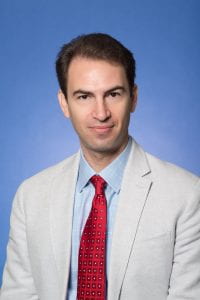
portrait of Gregg Brazinsky in professional attire

Gregg A. Brazinsky works on U.S.-East Asian relations and East Asian international history. He is interested in the flow of commerce, ideas, and culture among Asian countries and across the Pacific. He is proficient in Mandarin Chinese and Korean. He is the author of two books: Winning the Third World (2017), which focuses on Sino-American Rivalry in the Third World and Nation Building in South Korea (2007), which explores U.S.-South Korean relations during the Cold War. Currently, he is working on two other book projects. The first examines American nation-building in Asia during the Cold War. The second explores Sino-North Korean relations between 1949 and 1992 and focuses specifically on the development of cultural and economic ties between the two countries. He has received numerous fellowships to support his research including the Kluge Fellowship from the Library of Congress, the Smith Richardson Foundation junior faculty fellowship, and a fellowship from the Woodrow Wilson Center. Professor Brazinsky also currently serves as the director of the George Washington Cold War Group.

As director of the Asian Studies Program, Professor Brazinsky has attracted some of the brightest students from around the country and the world who share a commitment to pursuing careers related to Asia. He helped to launch a special mentoring program for Asian Studies MA students and has worked to expand fellowship and professional opportunities for students in the program.

Opening Remarks

Alyssa Ayres, Dean of the Elliott School

Alyssa Ayres was appointed dean of the Elliott School of International Affairs and professor of history and international affairs at George Washington University effective February 1, 2021. She is the first woman to serve in the role of permanent dean at the school. Ayres is a foreign policy practitioner and award-winning author with senior experience in the government, nonprofit, and private sectors. From 2013 to 2021, she was senior fellow for India, Pakistan, and South Asia at the Council on Foreign Relations (CFR), where she remains an adjunct senior fellow.

Her work focuses primarily on India’s role in the world and on U.S. relations with South Asia in the larger Indo-Pacific. Her book about India’s rise on the world stage, Our Time Has Come: How India is Making Its Place in the World, was published by Oxford University Press in January 2018 and was selected by the Financial Times for its “Summer 2018: Politics” list. An updated paperback edition was released in 2019. Ayres is also interested in the emergence of subnational engagement in foreign policy, particularly the growth of international city networks, and her current book project (working title, “Bright Lights, Biggest Cities: The Urban Challenge to India’s Future,” under contract with Oxford University Press) examines India’s urban transformation and its international implications.

From 2010 to 2013 Ayres served as deputy assistant secretary of state for South Asia. During her tenure at the State Department in the Barack Obama administration, she covered all issues across a dynamic region of 1.3 billion people at the time (Bangladesh, Bhutan, India, Maldives, Nepal, and Sri Lanka) and provided policy direction for four U.S. embassies and four consulates. Before serving in the Obama administration, Ayres was founding director of the India and South Asia practice at McLarty Associates, the Washington-based international strategic advisory firm, from 2008 to 2010, and served as a part-time senior advisor to the firm from 2014 to 2021. From 2007 to 2008, she served as special assistant to the undersecretary of state for political affairs as a CFR international affairs fellow. Prior to that she worked at the University of Pennsylvania’s Center for the Advanced Study of India and at the Asia Society in New York.

Originally trained as a cultural historian, Ayres has carried out research on both India and Pakistan. Her book on nationalism, culture, and politics in Pakistan, Speaking Like a State, was published worldwide by Cambridge University Press in 2009 and received an American Institute of Pakistan Studies book prize for 2011–2012. She has coedited three books on India and Indian foreign policy: Power Realignments in Asia; India Briefing: Takeoff at Last?; and India Briefing: Quickening the Pace of Change.

Ayres has been awarded numerous fellowships and has received four group or individual Superior Honor Awards for her work at the State Department. She speaks Hindi and Urdu, and in the mid-1990s worked as an interpreter for the International Committee of the Red Cross. She received an AB from Harvard College and an MA and PhD from the University of Chicago. She is a life member of the Council on Foreign Relations, the Trilateral Commission, a member of the Halifax International Security Forum’s agenda working group, and a member of the Women’s Foreign Policy Group board of directors. In 2021 and 2022, the Washingtonian included her as one of their “most influential people shaping policy.”

logo of the Sigur Center for Asian Studies with transparent background
logo of the Elliott School of International Affairs at GW
GW Institute for Korean Studies logo

Summer 2022 Research Fellow – Hong Kong’s Solutions to Housing Affordability Challenges: The Construction of Public Housing

Hong Kong Public Housing

Hong Kong Special Administrative Region of China is one of the world’s most prosperous cities. It is a coastal area of 1,106 km2 with a population of 7.41 million (World Bank, 2021).  This city has been rated by the Demographia International Housing Affordability report as the most unaffordable housing market in the world for 12 consecutive years.

To cope with the affordable housing challenge, the Government of Hong Kong has adopted mass public housing programs as key solutions since the 1950s. As of 2020, public housing represents 43.3 percent of the total housing stock. And 45 percent of the Hong Kong population live in public housing (Census and Statistics Department of Hong Kong, 2021).

Notably, there are two types of public housing, including public rental housing and subsidized sale flats. Public rental housing refers to housing estates that are built for and then rent to low-income residents at a price lower than the market rate. Subsidized sale flats consist of flats sold at a discounted price to middle-income households. Both types of public housing have specific eligibility criteria (e.g., limits on age, residence status, income level, ownership of any domestic property, total years of living in Hong Kong) and application processes that are set and managed by two entities in Hong Kong – the Hong Kong Housing Authority and the Hong Kong Housing Society.

Public housing features tall towers with many compact flat units while subsidized sale flats could be less dense compared to public rental housing. For public rental housing units, nearly half of them have a flat size of 30-39.9 m2, 16.5 percent have a flat size larger than 40 m2, and more than one-third have a flat size smaller than 30 m2. The average monthly rent ranges from HK$66/m2 to HK$83/m2 (around US$8-11/m2), depending on the location of the public rental housing estate. As a comparison, the average monthly rent of a private housing unit is estimated at HK$261-401/m2 (around US$34-52/m2) (Census and Statistics Department of Hong Kong, 2021a).

Over the decades of development of public housing in Hong Kong, there have been multiple block designs for public housing, such as slab blocks, harmony blocks, and “H” shape resettlement blocks. The Housing Authority nowadays further emphasizes the integration of green concepts and site-specific considerations into their design features. Some unique designs of public housing have even made them must-check places for photo taking in Hong Kong, such as Choi Hung Estate, which is pained in a striking rainbow palette, and Oi Man Estate, which has a quadrangular arrangement. In more recent decades, the construction of public housing estates also includes children’s playgrounds, car parks, and a shopping center (see the pictures from Tak Long Estate in the Kai Tak Development area below) that make things more convenient for residents.

Tak Long Estate

Nevertheless, we do observe two concerns about these public housing estates. One is that low-income groups living in the public housing estates stay in their community which might not be good for social cohesion. Another way to supply public housing units is to integrate public housing units with market-price housing units in the same building blocks. Such mix-income housing is designed to eliminate concentrated poverty in certain neighborhoods and against residential segregation. Second is that there used to be scandals about the living conditions in public housing estates, such as the contamination of potable water in Kai Chin Estate in 2015. These point to due considerations, such as social cohesion factors and safe drinking water, that the Government should take into account when designing and managing public housing.

References

Census and Statistics Department of Hong Kong. 2021. Housing in Figures 2021a. https://www.thb.gov.hk/eng/psp/publications/housing/HIF2021.pdf (Accessed Sept. 10, 2021).

Urban Reform Institute and the Frontier Centre for Public Policy. 2022. Demographia International Housing Affordability 2022 Edition. http://www.demographia.com/dhi.pdf (Accessed Aug. 10, 2022).

World Bank, 2021. Country Profile of Hong Kong SAR, China. https://data.worldbank.org/country/HK (Accessed Aug. 10, 2022).


Jingwen Zheng, Ph.D. in Public Policy Program 2024

Sigur Center 2022 Asian Field Research Fellow

Hong Kong SAR, China

Summer 2022 Research Fellow – A Quick Guide to Navigate Archived Government Documents in Hong Kong

Hong Kong Public Records Building

In some cases, scholars need to refer to certain government policy documents and reports to collect and/or verify certain information. Scholars may choose to conduct literature searches online, browse governments’ websites, etc. This blog aims to provide a quick guide for scholars who are interested in getting access to Hong Kong’s government documents, especially historical ones.

Make an access to information request

In Hong Kong, the “Code on Access to Information” serves as a formal framework for the public’s access to the information held and maintained by the government departments. This code clarifies the scope of information that can be made available either routinely or upon request. Based on this Code, scholars who want to learn the most recent or historical government documents can send information requests to Access to Information Officers in relevant departments. Their specific email addresses and phone numbers can be found on this webpage. Per my experience of communicating with different government departments, the reply time can be somewhere between a week or three weeks. A phone call would be the most efficient way of getting to know if the documents are available or not.

In addition, if one document is only available in paper versions, scholars can go to the public enquiry counter of the government department for in-person inspection at a selected date. The public enquiry counter can provide a photocopying service if needed. Additionally, the public can also just take photos of the documents they request to inspect by using their digital devices (e.g., phones). I found that seeking advice from the staff at the public enquiry counter is efficient and useful – they can direct you to the right person from the right sub-division of their department for more information.

Government Records Service

Nevertheless, each government department may not hold all policy documents and reports from earlier decades. The best place for looking for such information is the Government Records Service (GRS), an agency that aims to preserve and promote the documentary heritage of Hong Kong.

Scholars (or the public) can start by using the online catalog provided and managed by the GRS to search and identify government documents, reports, and/or maps in need (see picture below). To review one specific document, one has to register an account on the GRS’s website, make a reservation for that document, and then select a date/time that he or she can go to the Hong Kong Public Records Building for inspection. Note that now the GRS only opens 15 seat slots per day.

Government Records Service Website Page

When conducting a desk review of government documents at the GRS library, one may develop a new list of documents to be checked and reviewed. In such a case, scholars can use the computer at the GRS, log into their registered GRS account, and make a loan request online (this can only be done by using the GRS’s computers).  The staff there will help identify and prepare the documents immediately for one’s review and inspection. Nevertheless, when one document is defined as confidential, one will have to submit an access request, with the use of the documents clarified. Relevant government departments and the staff at the GRS will review the case and decide if they could grant access on a case-by-case basis.  The review and approval process can take up to a month.

A final note is that the GRS can also provide photocopying and/or digitization services at a set unit price; nevertheless, one can also take a photo of the document using one’s own digital devices (e.g., phones), as long as one signs a form and details the documents that he/she makes a digital copy.


Jingwen Zheng, Ph.D. in Public Policy Program 2024

Sigur Center 2022 Asian Field Research Fellow

Hong Kong SAR, China


Summer 2022 Research Fellow – Discovering Chinese Art and Culture: A Visit to Hong Kong Palace Museum

Hong Kong Palace Museum

The Hong Kong Palace Museum, located in the West Kowloon Cultural District, has recently become a popular must-check spot in Hong Kong. This Museum was officially open to the public in July 2022, a year that marks the 25th anniversary of the handover of Hong Kong from the United Kingdom to China. The Museum presents more than 900 treasures, mainly from the Palace Museum in Beijing, China. Many of the objects on loan are exhibited in Hong Kong for the first time, and some have never been presented to the public. This Museum aims to be a hub for cultural exchange between China and the World and, more importantly, to be the bond between mainland China and Hong Kong.

This Museum has nine galleries: five are designed around specific themes that help introduce the culture and history of the Palace Museum; two present art collections in Hong Kong and multimedia programs; and the final two are special exhibitions presenting Chinese art and also the art and treasure from other countries around the same theme for dialogue in culture. In the Museum, the visitors can appreciate the arts and treasures and enjoy the views of the Hong Kong Island skyline and Lantau Island.

I am most impressed by the “Nymph of the Luo River” (Southern Song copy) presented in the special exhibition, a painting based on a poem describing a romance story by Cao Zhi. Among all paintings that illustrate this poem, this version is vibrant as it shows many details that are not found in other versions (e.g., the nymph picking feathers and pearls). In earlier months, the Hong Kong Palace Museum also exhibited another Northern Song copy, allowing visitors to compare and identify their differences. We can find people visiting this Museum several times to observe the differences and further discussing their observations regarding these two copies in local friends’ circles and on personal blogs.

In addition, one gallery that presents treasures themed around horses in China and other parts of the world is fascinating too. Such gallery design allows visitors to observe, identify and compare different understandings and manifestations of horses in different cultures. In particular, we can find earthenware sculptures of horses and riders with “three-colors” (sancai) glaze in this gallery, a very exceptional achievement of horse art in the Han and Tang dynasties in China’s history (see two pictures below).

Tang San Cai I Tang San Cai II

In a nutshell, this Museum offers very unique and stimulating experiences in art and culture. From time to time, the content and theme of special exhibitions also change as well. So don’t miss out on this Museum when you have a chance to visit Hong Kong.


Jingwen Zheng, Ph.D. in Public Policy Program 2024

Sigur Center 2022 Asian Field Research Fellow

Hong Kong SAR, China