Summer 2019 Language Fellow – Why I learned Zhuyin (Bopomofo)
Why I de cided to learn Zhuyin (Bopomofo)
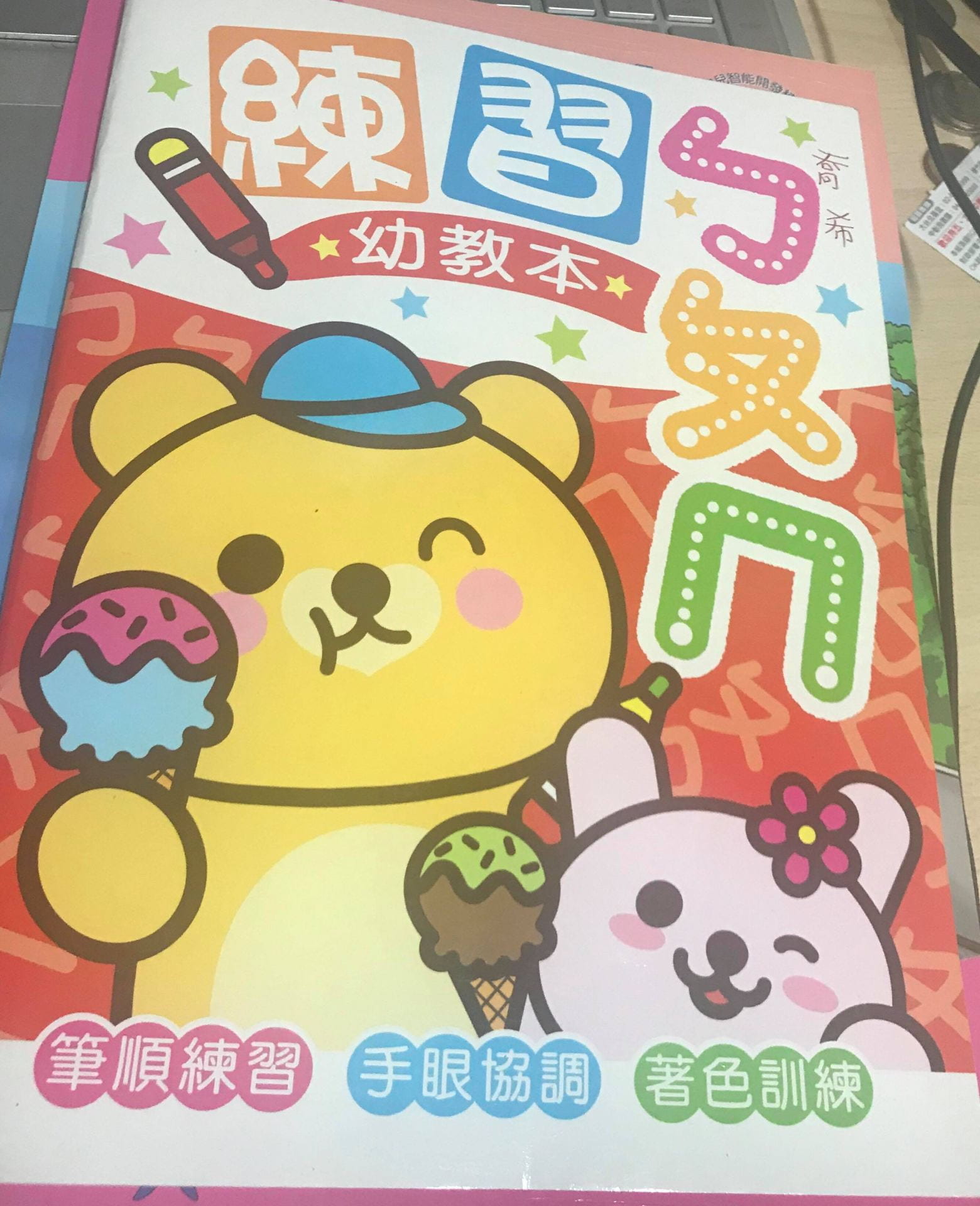
Taking classes at National Chengchi University helped me to improve my Chinese pronunciation by far. Interestingly enough, I attribute most of my improvement to language exchanges that I did with local friends, especially with one who took up the task of teaching me Zhuyin. Zhuyin is the phonetic system that is used in Taiwan. Most Taiwanese people do not use pinyin as they are taught Zhuyin starting from preschool. Despite this, in order to match what the rest of the world teaches, Chinese language schools in Taiwan, such as the Chinese Language Center in NCCU, use pinyin. I was only able to learn Zhuyin through language exchanges with locals. There are several reasons that I dedicated dozens of hours to memorizing a new phonetic system.
Pronunciation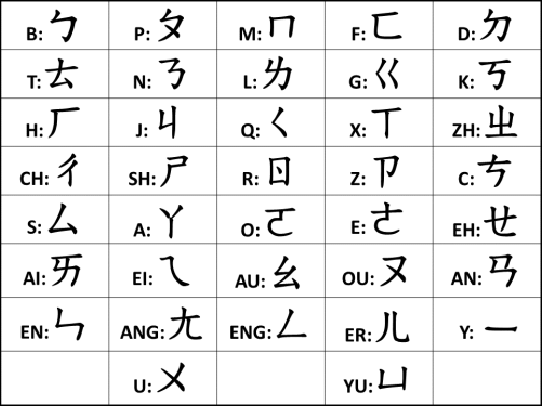
Zhuyin helps fine tune pronunciation. Many Chinese learners make pronunciation mistakes with pinyin as they associate the sounds that they see with the English alphabet. Learning Zhuyin forces you to learn an entirely new symbol to which you can associate the right sound. Learning this system was also a great review of all the sounds that exist in Mandarin. Going over a new phonetic system allowed me to rehearse my Chinese phonics and more closely focus on hearing the difference between similar sounds. Many users of pinyin also never properly learn how to use pinyin. The use of the Latin alphabet often gives them too much confidence or the false idea that they know how to make the sounds in pinyin’s initials and finals.
Reading and Writing
The nature of the characters in Zhuyin reflects the philosophy of Chinese characters as they have specific stroke orders and a look that resembles Chinese characters. The format in which they are used also helps learners focus on learning characters. Zhuyin is often printed in between characters, smaller and to the right of them. This forces readers to look at the characters. Many Mandarin learners know all too well that it is very easy to skim over Chinese characters when using pinyin.

 Local Adaptation
As someone who values learning outside of the classroom, I often practice Mandarin with locals. One problem that I quickly ran into with many Taiwanese was that they did not know how to use pinyin. When I asked them how to say something or to explain a new character, they would write in Zhuyin! Learning Zhuyin has also given me access to many more learning materials. I can now go to any children’s bookstore in Taiwan and practice short stories designed for Taiwanese children who are still learning their characters.
Looking at all of the benefits that could be attained, I genuinely feel that for new beginners, Zhuyin is a superior phonetic system to use to learn Mandarin. Schools in the United States should try using this system, and see if there are improvements in the pronunciations and reading levels of their beginner students.
Josh Pope, B.A. International Affairs 2021
Sigur Center 2019 Asian Language Fellow
National Chengchi University, Taiwan


1 thought on “Summer 2019 Language Fellow – Why I learned Zhuyin (Bopomofo)”
very cool! it also helps to practice the strokes and shapes for character writing